2026 Best DC Surge Protection Devices for Global Buyers
Global buyers face a difficult choice when selecting the 2026 best DC surge protection devices. Product labels often look similar. Their real performance can differ sharply.
A dependable Surge Protection Dc device must match the system voltage, maximum discharge current, short-circuit rating, grounding design, and installation environment. A solar combiner box, battery cabinet, telecom station, and industrial controller do not experience identical risks. Cable length matters. So does routing. A long outdoor cable can act like an antenna during a nearby lightning event. Even a strong protector may fail when wiring and grounding are poorly designed.
Lightning researcher Dr. Vladimir A. Rakov has emphasized, “Lightning is a complex electrical discharge, not a simple single event.” This principle matters for equipment buyers. Surges may arrive through power conductors, signal cables, or shared grounding paths. Effective protection therefore requires coordinated devices, suitable backup protection, clear status indicators, and replaceable modules where maintenance access is limited.
Field experience also reveals an uncomfortable truth. No device protects every installation perfectly. Some specifications are difficult to compare across brands. Testing conditions may not reflect dusty rooftops, humid coastal sites, or repeated switching surges in factories. Buyers should examine independent test evidence, technical drawings, warranty terms, and supplier support before ordering. A low purchase price can become expensive after repeated downtime, damaged inverters, or unavailable replacement cartridges.
This guide evaluates the 2026 best DC surge protection devices for global buyers. It considers technical ratings, installation practicality, environmental durability, compliance documentation, and long-term service value. The best choice is not always the device with the largest number. It is the protector that fits the complete system.
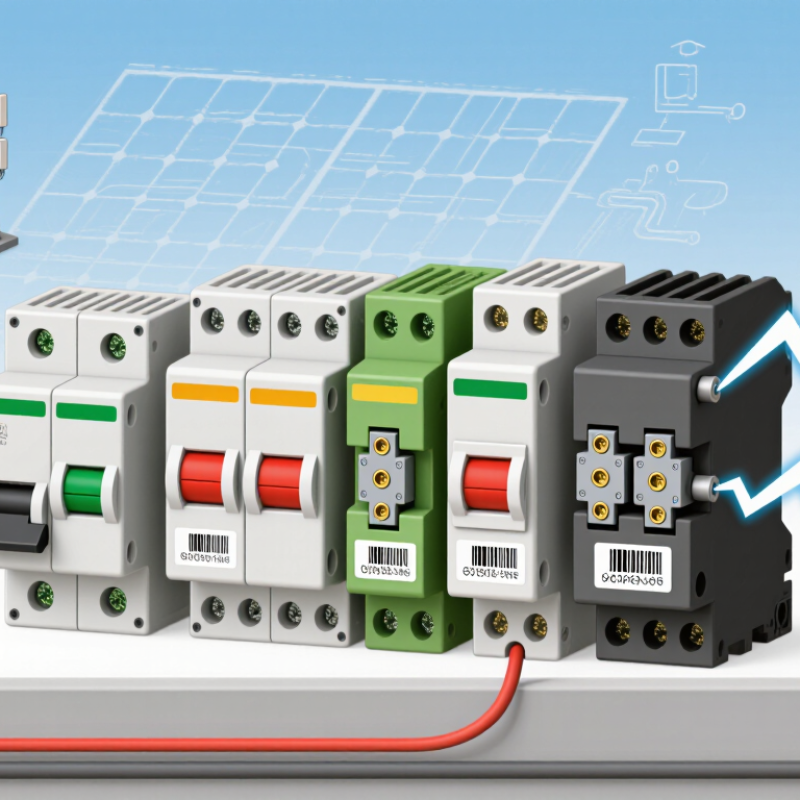
DC Surge Protection Basics: IEC 61643-31, Uc, Up, and 8/20 μs Ratings
DC surge protection begins with the system voltage, not the marketing headline. For photovoltaic arrays, IEC 61643-31 provides a useful framework for selecting DC surge protective devices. It addresses performance, testing, and application requirements for photovoltaic installations. Field conditions still matter. Cable routing, grounding, and available short-circuit current can change the real risk.
Uc means maximum continuous operating voltage. It should exceed the highest normal DC voltage, including temperature-related voltage changes. If Uc is too low, the device may conduct continuously and age early. If it is too high, protection becomes less sensitive. Small mistakes matter. Up is the voltage protection level during a specified surge. A lower Up generally offers stronger protection for connected equipment. However, coordination with the inverter’s impulse withstand level remains essential.
The 8/20 μs waveform describes a standard surge current shape, reaching its peak quickly and decaying afterward. In shows nominal discharge current, while Imax indicates the device’s maximum discharge capability. These values help comparison, but they do not tell the entire story. A larger current rating is not automatically better for every array. A datasheet can look convincing, yet long conductors may add inductive voltage during a surge. Global buyers should verify Uc, Up, In, Imax, short-circuit withstand, enclosure suitability, and remote status options. The standard test is not the whole installation. Recheck the design after cable changes, because a small layout revision can weaken an otherwise careful protection scheme.
How to Classify DC SPDs: Type 1, Type 2, Type 3, and PV Applications
DC surge protection devices are classified by their discharge duty and installation position. Type 1 SPDs handle partial lightning current entering through an external protection system. They require high impulse-current capacity and are usually installed at the main electrical entrance. Type 2 SPDs manage indirect lightning surges and switching transients. They are common in distribution boards, battery systems, and photovoltaic combiner boxes. Type 3 SPDs provide fine protection near sensitive equipment, such as control units or communication interfaces. They offer lower discharge capacity and must coordinate with upstream devices.
PV systems need additional care. IEC 61643-31 addresses surge protection for photovoltaic installations, including DC operating voltage and connection modes. Designers should verify UCPV, nominal discharge current, maximum discharge current, and voltage protection level.
A Type 2 PV SPD is often suitable for standard string circuits. Type 1 or Type 1+2 protection may be necessary where lightning exposure is high or an external lightning protection system exists. Short cable paths matter. So does correct earthing.
The IEA PVPS Trends report recorded more than 400 GW of new photovoltaic capacity worldwide in 2023. That expansion increases the number of exposed DC circuits, especially across large solar fields. Yet market data is not perfectly uniform. Regional installation practices differ. A device labeled Type 2
should not be accepted without checking its PV-specific test standard and ratings.
One practical mistake is selecting by voltage alone. Surge current, wiring length, grounding design, and replacement access also influence real protection performance. Field inspection often reveals the weakest detail: an SPD installed correctly, but connected with unnecessarily long conductors.
Selecting Voltage and Current Ratings: 600–1500 VDC and 40 kA In
2026 Best DC Surge Protection Devices for Global Buyers
Choosing a DC surge protection device starts with the system voltage, not the product label. A 600 VDC system needs a suitable continuous operating voltage rating above its highest measured voltage. For 1500 VDC arrays, the device must tolerate maximum open-circuit voltage, cold-weather increases, and temporary operating changes. A narrow safety margin may reduce service life.
Check the Ucpv rating, clamping voltage, response time, and protection mode. Field engineers should compare these values with the inverter’s DC input limits and the array’s cable layout. Long cable runs can increase induced surge energy. Short, straight connections usually improve performance. Installation records, temperature tests, and independent test reports provide stronger evidence than marketing claims.
The 40 kA In rating needs careful interpretation. It describes nominal discharge current, not the system’s normal load current or available short-circuit current. A 40 kA In device may be appropriate for severe lightning exposure, but coordination still matters. Confirm the maximum discharge current, backup protection, grounding arrangement, and replacement indicator. I have seen selection sheets look complete while ignoring cable length and earthing quality. That gap deserves review. Costs also rise quickly at 1500 VDC, so buying the largest rating without site data can be wasteful.
Global Compliance Checklist: IEC 61643-31, UL 1449, CE, and IP Ratings
For global buyers, the best DC surge protection device is not simply the one with the highest voltage rating. It must match the system’s maximum continuous operating voltage, short-circuit current, and grounding design. For photovoltaic arrays, IEC 61643-31 is a practical starting point. It covers performance and test methods for DC surge protective devices used in PV installations. Ask for the test report, not only a printed compliance claim.
UL 1449 is important when equipment enters North American markets. Its listing and construction requirements should match the intended installation category. CE marking should be checked against relevant European requirements and the supplier’s Declaration of Conformity. CE is not a universal quality badge. Verify the product scope, technical file, and applicable standards. In field reviews, missing documentation often creates more risk than a visible hardware defect.
IP ratings describe enclosure protection, not surge performance. An IP65 enclosure resists dust and water jets, while IP66 provides stronger water-jet protection. Neither rating guarantees safe outdoor operation without correct installation. Check cable glands, cover seals, drainage, and condensation control. Small details matter. A device can meet IEC 61643-31 and still be poorly installed. I have seen earth conductors routed too far from protected cables, increasing residual voltage during a surge. That mistake deserves more attention. A reliable purchasing checklist should include test reports, marking verification, thermal status indication, replacement access, and traceable production records.
2026 Best DC Surge Protection Devices for Global Buyers
This chart compares the two-digit IP code used in IEC 60529: the first digit indicates protection against solid particles and the second digit indicates protection against water. Buyers should also verify the applicable IEC 61643-31 or UL 1449 requirements and CE conformity documentation for the target market.
2026 Buyer Comparison: Clamping Performance, Thermal Safety, and Service Life
For global buyers, a DC surge protection device should be judged by clamping performance, thermal safety, and service life. IEC 61643-31 evaluates photovoltaic DC protection under realistic surge conditions. Lower residual voltage usually protects sensitive inverters better. However, lower is not automatically safer. The device must also match the system’s maximum continuous operating voltage, or Ucpv. A poor match can cause leakage and premature heating.
Thermal safety deserves equal attention. A dependable device should include a coordinated thermal disconnector and clear end-of-life indication. During inspections, look for a red status window, cracked housing, or brown marks near terminals. These small details matter. The IEA Electricity 2024 report projects data-center electricity demand could exceed 1,000 TWh by 2026. That growth increases pressure on uninterrupted DC systems. Service life depends on repeated surge exposure, humidity, wiring temperature, and replacement access. IEC test results help, but they do not perfectly predict every installation. That limitation deserves more attention.
Tips: Compare Ucpv, maximum discharge current, residual voltage, and short-circuit withstand ratings together. Check whether the device supports remote alarm contacts. Keep cable runs short and straight. A high current rating cannot correct poor installation. Also record each inspection date; memory is unreliable, especially in large facilities.


