2026 Top Types of Packing Covers for Global Buyers?
Global buyers now expect Packing Covers to do more than hide or shield a load. They must manage rain, dust, sunlight, abrasion, handling, and storage. The right choice depends on the cargo, route, climate, and warehouse process. A textile cover may suit repeated indoor use. A waterproof pallet cover may protect goods during short outdoor transfers. Stretch hood covers can secure large palletized loads. Shrink covers offer tighter protection, but they require controlled heat application.
Packaging researcher Dr. Susan Selke offers a useful principle: “Packaging is a system, not simply a container.” That idea matters when comparing packing covers. A cover touches every stage, from loading docks to containers and final delivery. Buyers should examine fabric weight, seam construction, closure design, water resistance, breathability, and repair options. Small details matter. A loose edge can catch wind. A weak seam can split beside a pallet corner. A dark cover can also absorb intense heat under direct sunlight.
This 2026 guide examines the top types of Packing Covers for global buyers. It considers reusable textile covers, PE and PVC tarpaulin covers, stretch hood films, shrink covers, insulated covers, and dustproof solutions. Cost alone gives an incomplete answer. Sometimes, the cheapest cover creates extra waste, product damage, or repacking labor. Sometimes, an expensive specification is unnecessary. The category is not perfectly tidy. Buyers should test samples against real cargo, weather exposure, stacking pressure, and handling habits. Supplier records, material declarations, and quality checks add confidence, but practical trials still reveal uncomfortable weaknesses.
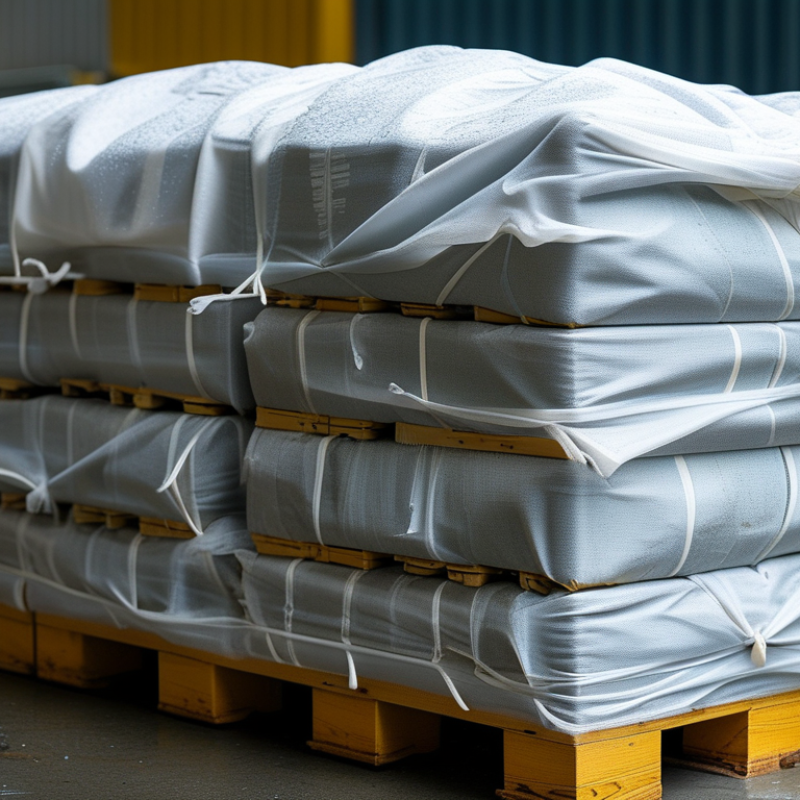
Packing Cover Taxonomy: Stretch, Shrink, Pallet, Bulk-Bag, and Reusable Types
2026 Top Types of Packing Covers for Global Buyers
Packing Cover Taxonomy: Stretch, Shrink, Pallet, Bulk-Bag, and Reusable Types
In 2026, global buyers are comparing packing covers by load behavior, not appearance alone. This taxonomy helps procurement teams match protection with handling conditions. Stretch covers cling around cartons, trays, and mixed pallets through elastic tension. They suit consolidated loads that need visibility and quick application. However, excessive tension can crush light cartons or distort printed labels. I have seen this issue during warehouse trials. Small adjustments matter.
Shrink covers contract under controlled heat and create a close, weather-resistant shell. They work well for irregular loads, but operators need suitable heat equipment and ventilation. Pallet covers are often simpler. These loose or fitted sheets protect top surfaces from dust, moisture, and abrasion during storage. They do not replace strapping when loads can shift. Check the corners. Sharp edges may puncture thin film.
Bulk-bag covers protect flexible intermediate bulk containers from sunlight, rain, and site dirt. Select breathable or coated fabric according to material and storage duration. Reusable covers use woven textiles, reinforced seams, and closures for repeated cycles. Their value depends on cleaning, inspection, folding, and return logistics. A reusable design is not automatically greener. Damaged fabric can create hidden replacement costs. Buyers should test fit, tear resistance, pallet stability, and real handling time with sample loads. Specifications look precise, yet field conditions often disagree.
Stretch-Hood Covers: 60–250% Elongation and 12–35 μm Film Gauges
Stretch-hood covers are gaining attention among global buyers because they combine elastic protection with efficient material use. These covers stretch over palletized goods and grip the load without separate straps. Film gauges typically range from 12 to 35 μm. A 60% elongation level may suit stable, uniform loads. Higher elongation, reaching 250%, can accommodate irregular shapes and wider load variation. That range matters.
In practical sourcing, I examine load corners, pallet height, and stacking pressure before choosing the film. Thin 12 μm film can reduce material consumption, but sharp edges may create weak points. A 35 μm gauge offers more puncture resistance, although it may increase cost and shipping weight. Machine tension also changes performance. Excessive force can distort cartons or damage the cover during application.
Testing should include warehouse handling, vibration, temperature changes, and outdoor exposure when relevant. I prefer checking elongation in both machine and transverse directions, because one figure can hide uneven behavior. Test results also depend on the selected standard and laboratory method. The neatest specification can still fail on a rough pallet. That deserves attention. Buyers should request trial rolls and inspect sealed loads after transport. A perfect setting is rare; experienced operators often adjust temperature and tension gradually.
Shrink Covers: 50–70% Shrinkage for Weatherproof Unit Loads
2026 Top Types of Packing Covers for Global Buyers?
Shrink covers use controlled heat to tighten durable film around machinery, pallets, and oversized unit loads. Some materials are designed for 50–70% shrinkage from their original dimensions. The actual result depends on film grade, temperature, load shape, and operator skill. When applied correctly, the cover limits rain, dust, salt spray, and loose debris during storage or transport. It also reduces movement between separate items.
Tips: Measure the load carefully before ordering. Allow extra film for corners, lifting points, and protective padding. Use rounded edge guards to prevent punctures. Apply heat evenly, especially around the base and upper corners. Vent trapped air where necessary. Keep it simple. Never heat near flammable materials.
A reliable packing process starts with a trial on one representative load. Check the sealed edges after cooling, then inspect for thin spots, wrinkles, or small tears. A tight surface is useful, but excessive heat can weaken the film. Weather resistance is not permanent waterproofing; long outdoor exposure may require inspection and additional protection. In practice, perfect coverage is difficult. That is worth admitting. Load geometry, local climate, and handling equipment can change the result, so buyers should request technical data and test samples before placing large orders.
Woven PP Tarps: 90–250 g/m² Fabric Weights for Outdoor Cargo
2026 Top Types of Packing Covers for Global Buyers?
Woven PP tarps remain practical covers for outdoor cargo, especially from 90 to 250 g/m². The 90–120 g/m² range suits temporary wrapping, pallet protection, and light warehouse handling. These sheets are easier to fold and reduce shipping weight. However, sharp corners can damage lighter fabric quickly.
Medium weights, around 130–180 g/m², offer a useful balance for construction materials, machinery, and agricultural loads. A tighter weave, reinforced hems, and evenly spaced eyelets matter as much as fabric weight. In field inspections, weak stitching often fails before the tarp material. Check the seam strength, not only the specification sheet.
Heavier 200–250 g/m² tarps provide better resistance against abrasion, wind movement, and repeated handling. They work well for long-distance outdoor storage when UV treatment and secure fastening are included. Still, heavier fabric is not automatically better. It can be harder to fold, more expensive to ship, and less convenient for frequent access. Buyers should request sample testing under rain, sunlight, and rubbing conditions. Measure actual fabric weight too. Some production variation is normal, but unexplained differences deserve attention. A reliable supplier should provide clear details on coating, hem construction, eyelet spacing, and test methods.
2026 Top Types of Packing Covers for Global Buyers? - Woven PP Tarps: 90–250 g/m² Fabric Weights for Outdoor Cargo
| Fabric Weight | Approx. Fabric Weight for a 4 × 6 m Cover* | Typical Construction | Recommended Cargo Applications | Water Resistance | UV Protection | Handling Profile | Key Buying Considerations |
| 90 g/m² | Approx. 2.16 kg | Lightweight woven PP fabric; normally laminated for improved water resistance | Temporary dust covers, short-term pallet protection, light indoor or sheltered outdoor packing | Suitable for light rain when seams and edges are properly finished; not intended for prolonged water pooling | Basic or optional UV stabilization; confirm treatment for outdoor exposure | Very easy to fold, carry and install | Best for low-abrasion loads and short service periods; reinforce tie-down points where needed |
| 120 g/m² | Approx. 2.88 kg | Light-to-medium woven PP with laminated surfaces and heat-sealed or hemmed edges | General pallet covers, bagged goods, construction materials and short-distance transport | Good splash and rain protection when correctly tensioned | Optional UV stabilizer commonly specified for seasonal outdoor use | Lightweight with improved tear resistance compared with lighter grades | Check coating continuity, hem strength and grommet reinforcement before outdoor deployment |
| 160 g/m² | Approx. 3.84 kg | Medium-weight woven PP with stronger lamination and reinforced perimeter options | Outdoor cargo covers, agricultural supplies, timber, machinery and export pallets | Good rain resistance; performance depends on coating, seam design and tie-down tension | UV-stabilized material is recommended for repeated outdoor use | Balanced portability, flexibility and abrasion resistance | A practical all-purpose grade for buyers balancing protection, weight and cost |
| 200 g/m² | Approx. 4.80 kg | Heavy woven PP fabric with robust lamination, hems and reinforced eyelet areas | Longer-term outdoor storage, heavy palletized cargo, metal products and construction loads | Very good rain protection when seams, hems and fastening points are properly specified | UV stabilization should be included for extended sunlight exposure | More resistant to abrasion and handling damage, but heavier to install | Select reinforced corners and closely spaced, corrosion-resistant eyelets for windy sites |
| 250 g/m² | Approx. 6.00 kg | Heavy-duty woven PP construction with durable lamination and reinforced edges | Long-term outdoor cargo protection, dense or abrasive loads, machinery and demanding logistics conditions | High level of rain and splash protection when manufactured with sealed or well-finished edges | UV-stabilized formulation is strongly recommended for continuous outdoor service | Highest durability in this range; least convenient for frequent manual handling | Verify tear strength, seam strength, eyelet pull-out resistance and expected exposure period |
*Approximate fabric weight is calculated from 4 × 6 m = 24 m² and excludes hems, ropes, eyelets, seams and other accessories. Actual finished-cover weight varies by design and manufacturing tolerance.


