China Top 10 60mm Stainless Tube Manufacturers?
China’s stainless steel industry serves construction, food processing, chemical equipment, automotive, and fluid-handling markets worldwide. Among its many product categories, the 60mm Stainless Tube attracts buyers who need a practical balance of flow capacity, strength, and installation convenience. However, “60mm” can describe outside diameter, inside diameter, or a nominal size. That detail changes the quotation completely.
This guide introduces ten Chinese manufacturers associated with stainless tube production and export. It considers manufacturing experience, material grades, dimensional control, surface finish, welding quality, and testing capability. Common options may include 304, 316L, and other grades, but buyers should confirm chemical composition through mill certificates and independent test reports. Factory scale matters, yet it does not prove consistent quality. A clean workshop, calibrated measuring tools, and traceable batch records offer stronger evidence.
A useful comparison also examines wall thickness, tolerance, cutting accuracy, packaging, minimum order quantities, and delivery experience. Look for suppliers that can provide samples before a larger order. Ask how they control ovality and weld-bead finishing. Small details often affect installation.
A ranking is never perfect.
Supplier information can change.
Some manufacturers specialize in decorative tubing, while others focus on industrial applications. Their equipment, standards, and response times may differ significantly. This introduction therefore treats the “top ten” as a practical starting point, not an absolute judgment. Buyers should verify certifications, production capacity, customer references, and current quotations before making a final sourcing decision. Reliable selection requires evidence, clear specifications, and a little healthy skepticism.
Defining 60mm Stainless Steel Tubes and Their Industrial Uses
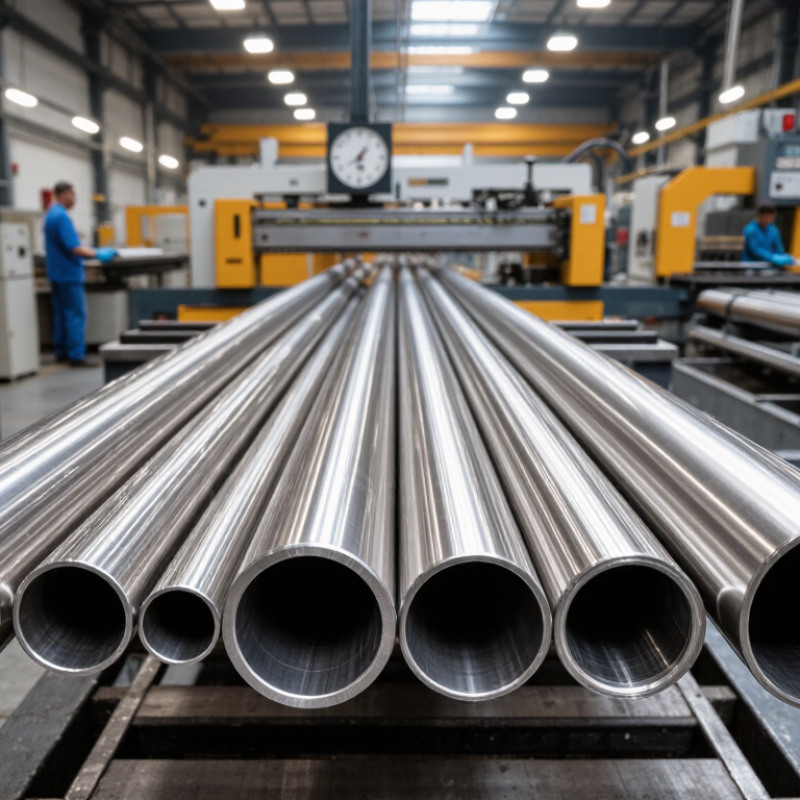
A 60mm Stainless Steel Tube usually refers to a 60mm outside diameter, not a fixed internal opening. This distinction matters during equipment design. With a 2mm wall, the bore is approximately 56mm, and the tube weighs about 2.9kg per metre. Standards such as ASTM A312 and ISO 1127 help define dimensions, tolerances, and pressure-related requirements. However, buyers should verify the exact standard, because “60mm tube” remains an incomplete specification.
Material selection depends on the working environment. Grade 304 stainless steel suits many indoor, food-processing, and general fabrication applications. Grade 316L offers stronger resistance to chloride exposure, making it more suitable for coastal plants, chemical handling, and pharmaceutical systems. Surface finish also affects hygiene and maintenance. A polished tube may reduce residue retention, while a welded tube can lower cost. The choice is not always obvious.
The World Stainless Association reported global stainless crude steel production of about 58.4 million tonnes in 2023. That volume reflects continuing demand across construction, transport, energy, and process equipment. In practice, 60mm tubes appear in handrails, heat-exchanger supports, fluid lines, and machine frames. Engineers must still check pressure, temperature, welding quality, and corrosion conditions. A catalogue number alone cannot prove service reliability. That is an easy mistake.
Key Standards for Evaluating Chinese Stainless Tube Manufacturers
China Top 10 60mm Stainless Tube Manufacturers?
A reliable 60mm stainless tube manufacturer should meet clear technical standards, not only offer a low quotation. Confirm the outside diameter, wall thickness, length tolerance, and stainless grade before comparing suppliers. Common references include ASTM A269, ASTM A554, EN 10217, and ISO 9001 quality systems. The correct standard depends on pressure, decoration, food contact, or structural use.
Ask for material certificates, heat numbers, and chemical composition reports. A serious producer should support PMI testing, tensile testing, hardness checks, and hydrostatic or eddy-current inspection when required. Surface quality also matters. Inspect weld lines, polishing marks, ovality, and end preparation under strong light. A 60mm tube may look perfect in a catalogue but fail during cutting or installation. That gap deserves attention.
Tips: Request samples from the same production line used for bulk orders. Check whether inspection records match the actual heat number. Visit the factory, or arrange an independent audit. Clarify packaging, moisture protection, and loading methods. Ask for a corrective-action report when defects appear. Do not rely on certificates alone. Communication speed is useful, but traceability is more important. One weakness remains: no supplier is flawless, and even an experienced factory may show inconsistent finishing between batches. A careful buyer should test, document, and review performance over time.
China Stainless Tube Manufacturing: Key ASTM A269/A312 Mechanical Benchmarks
The chart shows minimum mechanical-property requirements commonly used to evaluate annealed TP304 austenitic stainless steel tubing under ASTM A269 and ASTM A312. Tensile strength and yield strength are measured in MPa, while elongation is measured as a percentage. These benchmarks should be reviewed together with chemical composition, dimensional tolerance, hydrostatic or nondestructive testing, surface quality, traceability, and quality-management certification.
Top 10 China-Based Manufacturers of 60mm Stainless Steel Tubes
China Top 10 60mm Stainless Tube Manufacturers?
The top ten China-based manufacturers of 60mm stainless steel tubes should be judged by evidence, not catalogue claims. Experienced suppliers usually clarify whether 60mm means outside diameter, nominal diameter, or a custom size. They should provide material options such as 304, 316L, and duplex grades. Production capability also matters. Look for cold-drawn or welded tube lines, controlled annealing, laser measurement, and internal surface inspection. Reliable manufacturers can share mill certificates, test reports, dimensional records, and traceability details. Small details reveal real experience.
A professional comparison should examine wall-thickness tolerance, straightness, surface finish, cutting accuracy, and packaging. Request samples before placing a large order. A 60mm tube may appear polished outside but contain rough weld areas inside. That difference can affect hygienic equipment, heat exchangers, and structural assemblies. Ask how the factory handles nonconforming material. Honest answers are valuable. No supplier performs perfectly every time, and purchasing teams should record weaknesses rather than ignore them. Verification against applicable ASTM, EN, or GB/T requirements improves reliability.
Tips: Confirm the 60mm measurement in writing. Ask for recent inspection photos and heat numbers. Check whether certificates match the actual batch. Compare sample results with the final shipment. Also review lead time, packing strength, and communication speed. These practical checks often separate a dependable manufacturer from a merely attractive quotation.
Selecting the Right Manufacturer for Your Project Requirements
China Top 10 60mm Stainless Tube Manufacturers?
Selecting the right manufacturer starts with your project requirements, not a ranking list. A 60mm tube may need a precise outer diameter, controlled wall thickness, or a specific stainless grade. Confirm whether your application requires 304, 316, or another specification. Ask for dimensional reports, mill certificates, and weld inspection records. Reliable suppliers should explain their testing methods clearly.
Look closely at production experience. In real project reviews, I check sample consistency across several batches, not one attractive piece. A polished sample can mislead. Request tubes with the same 60mm diameter, surface finish, and wall thickness as your final order. Review tolerance data under the applicable GB, ASTM, or EN standard. Also examine cutting accuracy, end protection, packaging, and traceability labels. Small details affect installation costs.
Communication is equally important. Can the manufacturer confirm drawings, tolerances, quantity changes, and delivery dates without vague promises? A factory audit, video inspection, or independent pre-shipment inspection can reveal more than a brochure. One weakness deserves attention: some suppliers provide impressive certificates but limited evidence of process control. Ask who issued each document and whether the batch number matches your goods. Compare total project risk, not only the lowest quotation. A slightly higher price may protect your schedule, yet this is not always true. Verify it.


