How to Choose the Best High Quality Garden Hose for Your Gardening Needs
When it comes to gardening, having the right tools can make all the difference in achieving a thriving and lush landscape. One of the most essential tools for any gardener is a high quality garden hose. A reliable garden hose not only ensures that your plants receive the necessary water they need to flourish but also facilitates a more enjoyable gardening experience. With a plethora of options available in the market, choosing the best high quality garden hose tailored to your specific gardening needs can be a daunting task.
In this guide, we will explore the key factors to consider when selecting the perfect high quality garden hose. From materials and durability to flexibility and ease of use, understanding these elements will empower you to make an informed decision that enhances your gardening efforts. Additionally, we will discuss the importance of hose length and fittings, ensuring that you have all the information needed to invest in a garden hose that meets your unique watering requirements and stands the test of time. With the right high quality garden hose, you will not only save time and effort but also cultivate a more beautiful and healthy garden.
Factors to Consider When Choosing a High-Quality Garden Hose
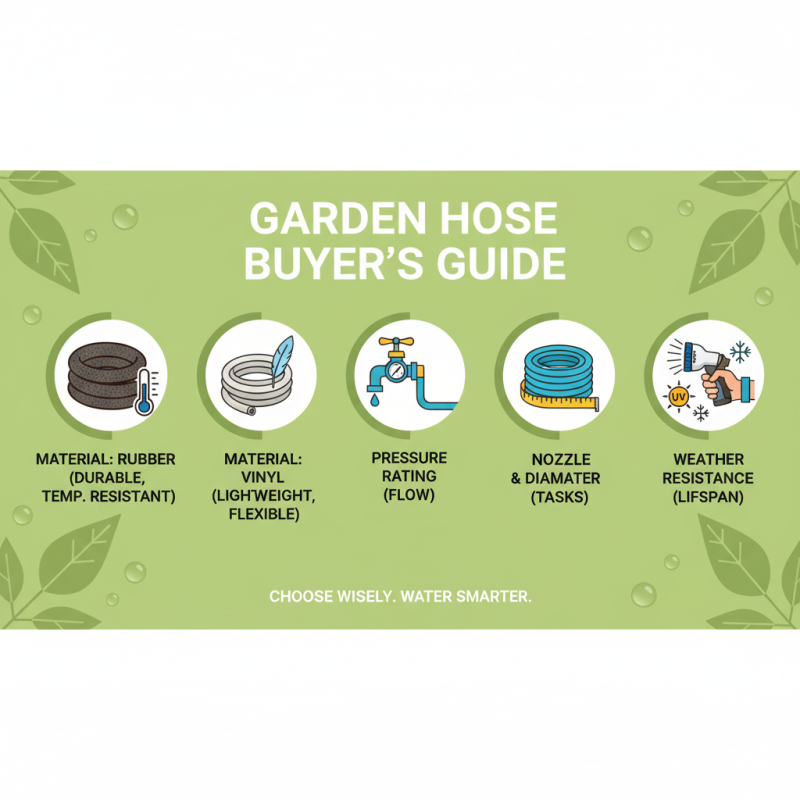
When selecting a high-quality garden hose, several factors should be considered to ensure that it meets your gardening needs effectively. First and foremost, the material of the hose plays a crucial role in its durability and flexibility. Options such as vinyl and rubber offer different benefits; for instance, rubber hoses are generally more resistant to wear and tear and can withstand extreme temperatures, while vinyl hoses are lighter and easier to handle but may not last as long. It's essential to assess your gardening environment and choose a material that suits your specific conditions.
Another important factor is the hose diameter, which influences the water flow rate. A wider diameter allows for greater water volume, making it ideal for larger gardens or those with high water requirements. Conversely, narrower hoses are sufficient for smaller areas. Additionally, consider the length of the hose required based on your garden's layout. A hose that is too short may hinder your watering process, while an excessively long one can cause pressure loss and lead to inefficient watering. Finally, additional features like kink resistance, coupling strength, and burst pressure ratings should also be evaluated, as they directly impact the hose's efficiency and longevity.
Different Types of Garden Hoses and Their Uses
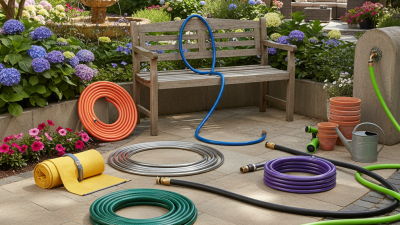
When selecting a garden hose, it’s essential to understand the different types available and their specific uses. The most common types include vinyl hoses, rubber hoses, and reinforced hoses. Vinyl hoses are lightweight and flexible, making them ideal for smaller gardens or general watering tasks. According to a report by the American Garden Hose Association, over 60% of gardeners prefer lightweight hoses for easy handling and storage. However, these hoses may not withstand extreme temperatures or heavy-duty use.
Rubber hoses, on the other hand, are known for their durability and resistance to kinks, making them suitable for heavy-duty gardening or commercial use. They can handle a wider temperature range and are less likely to wear out over time. Industry data indicates that rubber hoses can last up to 50% longer than vinyl ones under similar conditions, making them a wise investment for serious gardeners. Reinforced hoses combine the benefits of both materials and often come with additional features such as abrasion resistance and burst protection, catering to those who require a robust solution for various outdoor tasks.
Selecting the right hose also involves considering length and diameter. Most homeowners opt for hoses that are between 50 to 100 feet long. A report from Gardening Trends highlights that approximately 75% of consumers prioritize length for versatility, while hose diameter can affect water flow, with 5/8-inch hoses being the most common choice for balancing pressure and capacity effectively. Understanding these variables ensures that gardeners can meet their watering needs efficiently, contributing to healthy, thriving gardens.
Evaluating Durability and Material Quality in Garden Hoses
When selecting a high-quality garden hose, assessing the durability and material quality is essential for ensuring the longevity and functionality of your gardening tool. The choice of material plays a crucial role in the overall performance of the hose. Common materials include rubber, vinyl, and reinforced polymers. Rubber hoses are often favored for their flexibility and resilience, making them less likely to crack or kink, even in extreme weather conditions. In contrast, vinyl hoses are lighter and more affordable but may not withstand the test of time as effectively as rubber.
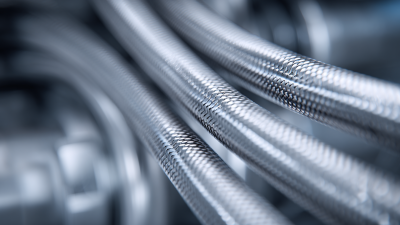
In addition to material type, consider the construction and reinforcement of the hose. A well-constructed hose typically features multiple layers, enhancing its strength and preventing leaks. Look for hoses that are reinforced with mesh or other supportive materials, which add extra durability against abrasions and punctures. Furthermore, check for features like crush-resistant fittings and UV resistant coatings, which contribute to maintaining the hose's integrity when exposed to the elements. By focusing on these aspects, you can choose a garden hose that will meet your gardening needs for years to come.
Comparison of Garden Hose Durability by Material
Understanding Hose Length and Diameter for Optimal Gardening
When selecting a garden hose, the length and diameter are crucial factors that significantly impact your gardening efficiency. A longer hose allows you to reach more distant areas of your garden without the hassle of moving your water source. Generally, hoses range from 25 to 100 feet in length. For small gardens or container plants, a shorter hose may suffice, while larger properties or extensive flower beds will benefit from a longer length. However, it’s essential to balance length with practicality as excessive hose length can lead to reduced water pressure.
The diameter of the hose also plays a pivotal role in water flow and pressure. Common diameters include 1/2 inch, 5/8 inch, and 3/4 inch. A wider diameter hose can deliver more water quickly, making it ideal for large watering tasks or when using multiple nozzle attachments. Conversely, a narrower hose might be sufficient for light watering and can be easier to handle. When choosing the right diameter, consider your specific gardening needs to ensure that your hose can provide adequate water coverage efficiently and effectively.
How to Choose the Best High Quality Garden Hose for Your Gardening Needs
| Hose Length (ft) |
Diameter (in) |
Material |
Weight (lbs) |
Flexibility (Scale 1-10) |
Durability (Scale 1-10) |
| 50 |
0.5 |
Rubber |
6.5 |
8 |
9 |
| 75 |
0.75 |
Vinyl |
5.0 |
7 |
6 |
| 100 |
1.0 |
Reinforced |
9.0 |
9 |
10 |
| 25 |
0.5 |
Rubber |
4.0 |
6 |
8 |
| 50 |
0.75 |
Polyurethane |
3.5 |
8 |
7 |
Tips for Maintaining and Storing Your Garden Hose Effectively
Proper maintenance and storage of your garden hose can significantly extend its lifespan and improve its efficiency. According to a report from the American Society of Landscape Architects, a well-maintained garden hose can last anywhere from 10 to 15 years, depending on usage and care. Regularly inspecting the hose for leaks, cracks, or any signs of wear can help identify issues early on. When you notice damage, consider repairing it promptly or replacing it altogether to prevent further water loss and to optimize your garden's watering needs.
Effective storage is equally important to protect your garden hose from environmental elements. Industry studies indicate that hoses stored improperly can develop kinks, which may compromise water flow and lead to punctures. A hose reel or hanger can keep hoses neatly coiled and off the ground, reducing exposure to UV rays that can degrade the material over time. Additionally, during winter months, it's advisable to drain the hose completely and store it indoors to prevent freezing, which can cause cracks and permanent damage.
Investing time in these maintenance and storage practices will not only save money in the long run but also enhance your gardening experience by ensuring you have a reliable, high-quality garden hose at your disposal.