How to Choose an Automatic Bag Feeding Machine in 2026?
In 2026, selecting an Automatic Bag Feeding Machine requires more than comparing speed figures. The right system must match bag dimensions, material, product flow, and available floor space. A machine handling flat pouches may not perform well with gusseted bags. That difference matters.
This guide introduces a practical method for evaluating equipment before purchase. It examines feeding accuracy, changeover time, storage capacity, controls, cleaning access, and integration with filling or packaging lines. Real production details deserve attention: operators may load stacks during a busy shift, while dust, static, or humidity can affect separation. Ask suppliers for documented test results using your actual bags and products. Factory acceptance testing can reveal problems that brochures often hide. Short demonstrations are not enough.
Reliable decisions also depend on the manufacturer’s experience and technical support. Review installation records, training plans, spare-parts availability, warranty terms, and response procedures. Check whether guards, sensors, and emergency controls are clearly designed and maintained. Independent technical advice may help when specifications appear confusing. No checklist is perfect. A machine that looks efficient may create costly pauses after installation. Conversely, a slower model may provide steadier feeding and easier maintenance. This article helps readers weigh those trade-offs with evidence, not assumptions, and choose equipment that supports safe, consistent, and measurable packaging performance.
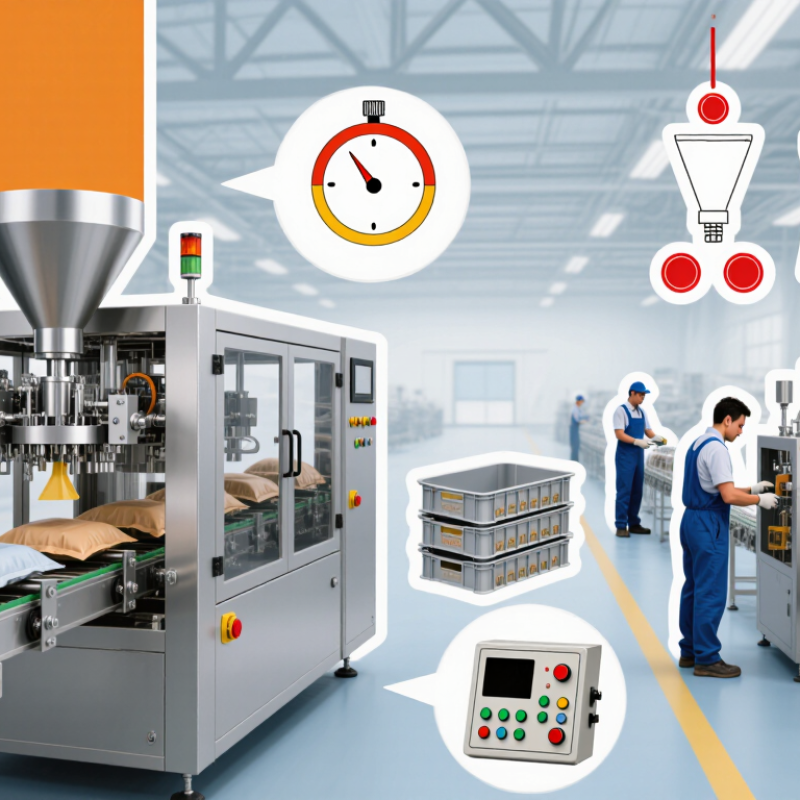
What Is an Automatic Bag Feeding Machine?
An automatic bag feeding machine stores empty bags and presents them to a filling, sealing, or packaging line. It replaces repetitive hand loading with controlled mechanical feeding. A typical unit uses a bag magazine, suction cups, grippers, sensors, and a conveyor. The magazine holds a neat stack of pre-made bags. The picking system removes one bag at a time. Sensors then check its position before the next process begins.
It is not magic. Bag size, material, weight, and surface texture affect performance. Laminated pouches may slide differently from paper bags. Dust can weaken suction, while curled edges can cause double feeding. In real production, operators should test several bag batches, not just one perfect sample. I recommend recording feeding speed, missed picks, jams, and adjustment time during a trial. These figures reveal more than a brochure claim. A reliable machine should offer guarded moving parts, clear controls, accessible cleaning areas, and straightforward maintenance instructions. It should also connect smoothly with the existing filling and sealing equipment. For choosing an automatic bag feeding machine in 2026, consider future bag sizes and expected production changes. A machine that works today may become restrictive later. Careful testing remains essential.
How Automatic Bag Feeding Machines Work
An automatic bag feeding machine moves empty bags from storage to the filling line. Its work looks simple, but accuracy depends on several coordinated actions. A stack is placed in a magazine. A vacuum gripper or friction belt separates one bag. Sensors check its position and detect double picks. The machine then opens, squares, and transfers the bag to the filling station. A programmable controller synchronizes motors, air valves, and safety interlocks.
The International Federation of Robotics reported 541,302 industrial robots installed worldwide in 2023, a 10% yearly increase. This trend supports more automated packaging lines, but automation does not remove every problem. PMMI’s automation research also highlights labor availability, changeover speed, and integration as major investment concerns. When choosing equipment in 2026, check bag material, dimensions, thickness, and stacking behavior. Ask for tests using your real bags. Glossy film may slip. Recycled film may curl.
Throughput figures need careful reading. A quoted speed may exclude refilling, rejected bags, or format changes. I would measure usable bags per minute, not the largest brochure number. Good machines provide adjustable vacuum pressure, accessible sensors, recipe storage, and clear fault messages. They should also connect with the line’s control system. Small details matter. A poorly placed magazine can slow operators every hour. In practice, the best choice is often the machine that changes formats calmly, protects delicate bags, and remains understandable during a tiring night shift.
Key Factors for Selecting the Right Machine
How to Choose an Automatic Bag Feeding Machine in 2026?
Key Factors for Selecting the Right Machine
Choosing an automatic bag feeding machine starts with the bag, not the advertised speed. Measure bag length, width, thickness, opening style, and material variation. A machine that handles one sample perfectly may struggle with dusty surfaces or curled edges. Request a production trial using your actual bags. Watch the feeder during changeovers, not only during steady operation.
Check the feeding method, indexing accuracy, sensor response, and control interface. The machine should place each bag consistently without stretching or damaging the opening. Ask how operators adjust guides and replace worn parts. Tool-free adjustments can save valuable minutes each shift. They can also reduce setup mistakes. In my experience, clear access around the loading area matters more than a polished display screen.
Consider realistic output, available floor space, cleaning routines, and future bag sizes. A high-speed specification may look impressive, but unstable feeding creates waste and interruptions. Review compressed-air use, electrical requirements, noise, guarding, and emergency controls with qualified technicians. Reliable documentation and responsive technical support are essential. Calculate the total operating cost, including spare parts and training. Do not ignore maintenance skill requirements. That was an oversight in one installation I observed. A slower machine with predictable changeovers may deliver better results than a faster model that demands constant correction.
How to Compare Machine Features and Performance
When comparing automatic bag feeding machines in 2026, start with verified output, not brochure speed. A 2024 manufacturing workforce study projects 3.8 million new jobs by 2033, with 1.9 million potentially unfilled. That pressure makes stable feeding valuable, especially during night shifts. Request a live test using your actual bags, products, and target line speed. Measure bags per minute, misfeeds, empty pockets, and restart time. A higher rated speed can still disappoint. This is where many comparisons go wrong.
Examine how the machine handles wrinkled gussets, humid film, and mixed bag sizes. Check servo control, vacuum grip, bag-opening sensors, reject confirmation, and tool-free changeover. Ask how long operators need to switch from a small pouch to a wider bag. Ten minutes on paper may become twenty-five minutes beside a real conveyor. Test the awkward parts.
For reliability, separate availability, performance, and quality, following the OEE principles described in ISO 22400. Review recorded data from an eight-hour trial, not only a short demonstration. Confirm compressed-air use, noise levels, cleaning access, and fault history. The feeding system should report every missed pickup and recovery delay. Insist on documented acceptance limits for feed accuracy and uptime. One honest weakness is useful; hidden variability is expensive. A machine that feeds perfectly for 500 bags may struggle after dust, vibration, or a tired operator enters the process.
Installation, Maintenance, and Future-Proofing Considerations
How to Choose an Automatic Bag Feeding Machine in 2026?
Installation deserves more attention than the purchase price. Check floor loading, compressed-air quality, electrical capacity, and operator access before delivery. The machine should connect cleanly with upstream and downstream equipment. Request documented FAT and SAT procedures, including bag pickup, opening, filling, and rejection tests. PMMI’s 2024 packaging machinery outlook identifies labor availability and digital integration as continuing industry concerns. That makes practical training essential. A three-hour lesson is not enough.
Maintenance details often reveal the machine’s real value. Choose accessible vacuum filters, clearly labeled sensors, guided lubrication points, and replaceable wear parts. Ask for a preventive-maintenance schedule based on cycles, not vague calendar dates. McKinsey research indicates predictive maintenance can reduce machine downtime by 30% to 50%, although results vary by application and data quality. Start with simple alerts for missed bags, pressure drops, and repeated stoppages. Fancy dashboards can wait.
Future-proofing requires flexibility, not just software. Interchangeable grippers and adjustable bag guides should support new sizes without major rebuilding. Open communication protocols can simplify later integration with production monitoring systems. The International Federation of Robotics reported 541,302 industrial robots were installed worldwide in 2023, a 10% annual increase. Automation is moving quickly. Still, more sensors do not automatically create better decisions. Review data ownership, cybersecurity updates, spare-part availability, and technician support for at least five years. Leave room for improvement.


