How to Choose the Best Watering Hoses?
Choosing the right watering hoses can make daily garden care easier, but the longest or thickest hose is not automatically the best. A useful way to apply the evidence-based approach associated with horticulturist Dr. Linda Chalker-Scott is: “Match the tool to the task, then observe how it performs.” This is an editorial summary, not a verbatim quotation from her.
Start with the garden itself. Measure the distance from the tap to the farthest bed, and note tight corners, steps, and places where a hose might snag. A lightweight hose can be easier to move across a small patio. A more durable model may suit a larger yard or frequent use. Check the connector size, stated pressure range, and care instructions before buying. Small details matter.
Material affects weight, flexibility, and storage. Kink-resistant designs can help, though no hose is entirely immune to a sharp bend under a planter. Look for clear product specifications and a warranty with understandable terms. If you use a spray nozzle, confirm that its fitting matches the hose. Test the connection for leaks. Watch the water flow.
A practical choice should suit your routine, not just a product label. I have to admit, “kink-resistant” can sound more absolute than it is. Store the hose out of harsh sun when possible, drain it before cold weather, and coil it without forcing tight loops. The following guide compares hose types, materials, lengths, fittings, and maintenance, so you can choose watering hoses with fewer surprises.
Define Your Watering Needs and Typical Use
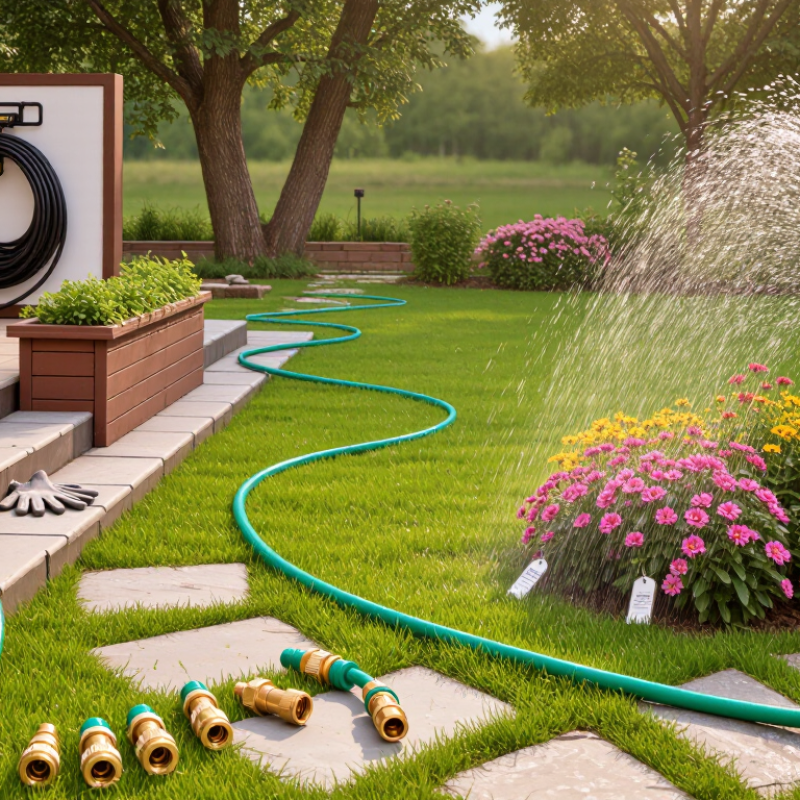
Before comparing hose materials or fittings, define where water must go and how often you will use it. A small patio with six pots needs a different hose than a long vegetable bed or several young trees. Measure the route from the tap to the farthest plant, then allow a little slack for turns. Too much extra length can be awkward to coil and may reduce flow, especially with a narrow hose or low household pressure. Start with distance.
Think about your routine, not just the garden’s size. For quick daily watering, a lighter hose may be easier to pull around containers. For weekly deep watering, a longer, sturdier hose may work better across a large yard. Check whether it must cross gravel, paving edges, or a sunny deck; these conditions affect wear, kinking, and storage. I once assumed a hose would stay near the faucet, but moving pots and reaching a back corner changed the route. That was easy to miss. Note your water source, typical pressure, and whether seedlings need gentle flow. If you are unsure, test the tap with the hose fully uncoiled before settling on a length. Real conditions can surprise you.
How to Choose the Best Watering Hose: Define Your Watering Needs and Typical Use
Estimate the water required for a watering session before choosing a hose. This chart shows the volume needed to apply 1 inch of water over different areas, using the standard conversion of about 0.623 gallons per square foot per inch. Actual needs vary with weather, soil, and plant type.
Compare Hose Materials, Reinforcement, and Flexibility
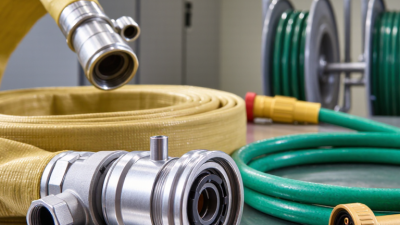
A hose’s material affects its weight, feel, and performance over time. Rubber hoses are usually flexible and tolerate rough handling, but they can feel heavy when dragged across a wet lawn. Vinyl hoses are lighter and often easier to store. They may kink more readily, especially in cool weather or around tight corners. Some hoses combine materials, so check the product details rather than relying on appearance alone.
Reinforcement matters, too. Braided or mesh layers help a hose resist bulging under pressure and can reduce kinking, though they do not make every hose equally durable. Look for clear information about pressure ratings and construction.
Flexibility is just as practical: a hose that bends easily around a raised bed is less likely to pull over pots or strain at the tap. Try bending a short section, if possible. A stiff hose can be frustrating. A very soft one may twist when you move it. There is no perfect choice, and I would recheck how it coils after use; storage can reveal problems that a quick shop-floor bend misses.
For a small patio, lighter weight may matter most. For frequent use over rough ground, sturdier construction may be worth the extra effort.
Choose the Right Hose Length and Diameter
How to Choose the Best Watering Hoses?
Choose the Right Hose Length and Diameter
Measure the route from the faucet to the farthest plant, including turns around beds or furniture. Measure the route. A hose that barely reaches can tug on the faucet or kink near a corner. For a compact patio, 25 feet may be enough; a larger yard may need 50 feet or more. Not just distance. Leave a little extra slack, but avoid buying far more hose than you need, since a long coil is heavier to move and store.
Diameter affects how much water the hose can carry. A 5/8-inch hose suits many household gardens and works with common outdoor faucets. For a long run, or when using a sprinkler that needs steady flow, a 3/4-inch hose may help reduce flow loss. It can also feel heavier when full. Check the faucet and connector sizes before choosing; a wider hose will not improve flow if the tap or fittings are the limiting point.
Think about the job, too. A short hose is easier to handle for watering containers, while a longer one can reach distant beds without repeated repositioning. Lay out the likely route before purchasing, and note gates, steps, and sharp corners. I have found that “just a few extra feet” can become a bulky coil, so measure carefully. Still, yard layouts change, and a hose that fits perfectly today may feel short after adding a planter.
Check Durability, Storage Needs, and Warranty Terms
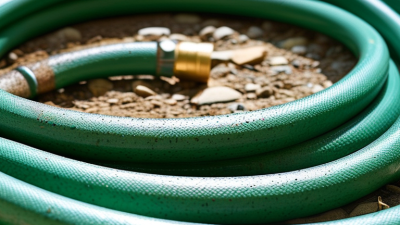
A durable watering hose should resist kinks, abrasion, and sun exposure.
Check its material, fittings, and stated pressure rating, then inspect the connection points for cracks or loose collars.
The U.S. Environmental Protection Agency estimates that landscape irrigation uses nearly 9 billion gallons of water daily, with up to 50% lost through inefficient watering. That figure does not describe hose leaks alone, but it shows why reliable equipment and careful watering matter. A small drip can become a muddy patch beside the spigot.
Tips:
Uncoil the hose fully and run water through it before buying, if possible. Look for bulges, weak seams, and leaking fittings. Measure the distance from the tap to the farthest bed; extra length can mean more tangles and storage hassle. Hang the hose on a wide support or use a reel that prevents tight bends. Simple, but often overlooked.
Read the warranty before checkout.
Check how long coverage lasts, which defects qualify, and whether fittings or sun damage are excluded. Keep the receipt and product details. Warranty wording can be less clear than expected, so ask for clarification before purchase. A longer warranty is useful, but it does not replace routine inspection. After each season, drain the hose and store it out of direct sun.