Blog icon

What Is a Soda Can and How Is It Made?

A Soda Can looks simple, yet its journey from metal sheet to refrigerator shelf involves precise engineering. This article explores what a Soda Can is, how it is formed, and why aluminum remains a popular material for beverages. The story begins with a thin aluminum coil, not a finished container. Powerful presses cut circular blanks and draw them into shallow cups. More pressure stretches each cup into a tall, seamless body.

The process is remarkably fast. A modern production line can shape, wash, print, and inspect thousands of cans every minute. The base receives a curved dome, which helps it resist internal pressure. The top is narrowed to reduce material use. A separate lid later receives a scored opening panel and a pull tab. Small details matter. A weak seam or damaged coating can affect safety, freshness, and customer trust.

Robert Budway, President and CEO of the Can Manufacturers Institute, has stated, “The can is the most recycled beverage container in the world.” That claim highlights the Soda Can’s strongest environmental feature: aluminum can be recycled repeatedly without losing its basic properties. Still, recycling does not make production impact-free. Mining, melting, transport, and factory energy all require careful management. The industry continues improving lightweight designs, recycled content, and efficient furnaces. Some explanations make the process sound perfect. It is not. Understanding those limits creates a more credible view of how a Soda Can is made, used, and returned to the material cycle.
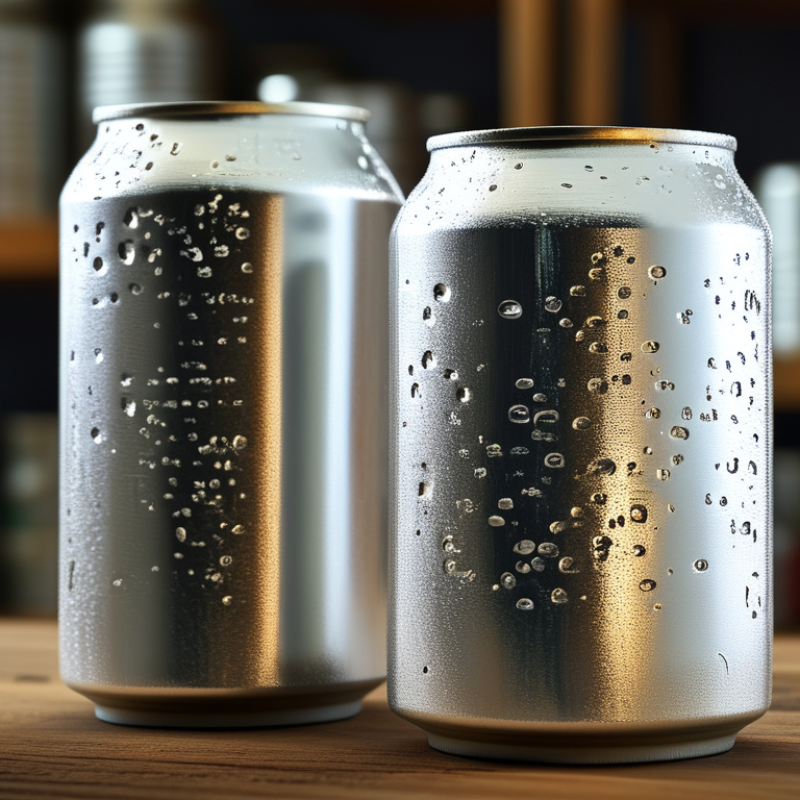
What Is a Soda Can and How Is It Made?

What Is a Soda Can?

A soda can is a lightweight, sealed container designed to hold carbonated drinks. Most modern cans use aluminum, while some use steel. Aluminum feels cool and smooth in your hand. It is surprisingly light. The familiar cylinder resists internal pressure from dissolved carbon dioxide. A flat top includes a scored opening and a pull tab. When the tab lifts, the scored metal breaks inward, creating a drinking hole. The inside usually has a thin protective coating. This layer helps prevent the beverage from contacting the metal directly, which can affect taste and container safety.

Manufacturing begins with large metal sheets or coils. Machines cut circular blanks and press them into shallow cups. For aluminum cans, repeated drawing and ironing make the walls taller and thinner. The bottom keeps a curved shape for strength. After washing, printing, and coating, the can receives its top and is filled through an opening. A separate end is then sealed tightly around the rim. The finished can may look simple, but its dimensions require careful control. A tiny defect can cause leakage or poor sealing. That detail matters. I once assumed a soda can was just shaped metal, yet its coating, pressure resistance, and recycling design reveal much more engineering. Recycling can reduce material waste, although collection systems and contamination still limit real-world results. The can is useful, but not automatically sustainable.

What Materials Are Used to Make a Soda Can?

A soda can is usually made from aluminum alloy, although some containers use coated steel. Aluminum is light, strong enough for internal pressure, and easy to recycle. Small amounts of other metals improve strength and forming performance. The can body, lid, and pull tab may use slightly different alloy grades. That detail matters. A thinner body saves material, but it must resist dents and pressure. Inside, a very thin polymer coating separates the drink from the metal. Without it, taste and corrosion could become problems.

Manufacturing starts with large metal sheets or coils. A press cuts circular blanks and draws them into shallow cups. More pressing stretches each cup into a tall, thin body. The base receives a reinforced shape because it carries pressure. The open rim is trimmed, washed, dried, and coated. A separate lid is stamped with a score line and fitted with a tab. Exterior decoration uses ink over a protective layer. Quality inspectors check thickness, dimensions, coating coverage, and leaks. In practice, it is not flawless. Tiny scratches, uneven coating, or excessive force can create weak points. Engineers adjust pressure, temperature, and line speed. I still think material reduction deserves careful review, not automatic praise.

Tips: Keep cans cool and dry. Avoid storing them near harsh chemicals or sharp objects. Do not drink from a badly dented, swollen, or leaking can. Recycling works best when cans are emptied and lightly rinsed. Check local recycling guidance, because collection systems differ.

What Is a Soda Can and How Is It Made? - What Materials Are Used to Make a Soda Can?

Data Dimension Typical Information Primary Material or Method Why It Matters
Product Definition A soda can is a lightweight, sealed metal container designed to hold carbonated beverages under internal pressure. Two-piece metal can The container must be strong enough to retain carbonation while remaining convenient to transport and open.
Main Can Body The body is generally made from a thin sheet of aluminum alloy. Aluminum alloy Aluminum is lightweight, corrosion-resistant, formable, and suitable for high-speed manufacturing.
Can End and Pull Tab The top end and attached opening tab are commonly produced from aluminum alloy, with the end engineered for controlled opening. Aluminum alloy The end must balance pressure resistance with the force needed for consumers to open it.
Protective Inner Coating A thin food-contact coating separates the beverage from the metal surface. Polymer-based lining It helps prevent metallic taste, protects the beverage, and reduces corrosion caused by acidic drinks.
Exterior Coating The outside may receive a protective layer before decorative graphics are applied. Protective varnish or coating It improves resistance to scuffing, moisture, and handling during filling, shipping, and storage.
Decorative Graphics Text, colors, nutritional information, and other required markings are printed on the exterior. Food-packaging inks Printing provides product information and visual identification without changing the can’s structural function.
Sheet Preparation Large aluminum coils are lubricated and fed into forming equipment, then cut into circular blanks. Coil-fed stamping Continuous coil processing reduces material waste and supports efficient, consistent production.
Body Forming A circular blank is drawn into a shallow cup and then redrawn and ironed to create a tall, thin-walled body. Drawing and wall ironing This process produces a seamless body with a strong base and uniform walls using relatively little metal.
Base Formation The bottom is shaped into a reinforced dome-like profile. Pressed aluminum geometry The curved base improves resistance to internal pressure and helps the can stand securely.
Necking and Flanging The upper part of the body is gradually narrowed and formed into a flange for attaching the end. Mechanical forming A smaller top reduces material use, while the flange creates the surface needed for a reliable seam.
Cleaning and Coating The formed body is cleaned, dried, coated internally, and finished externally before filling. Industrial washing and spray coating These steps support hygiene, product protection, print quality, and corrosion resistance.
Filling Process The can is filled with a carbonated beverage, leaving a controlled amount of headspace. Carbonated liquid Headspace and filling conditions help manage pressure and support dependable sealing.
Seaming The can end is mechanically joined to the flanged body using a double seam. Interlocked metal seam The seam creates an airtight and liquid-tight closure suitable for pressurized beverages.
Pressure Management A sealed carbonated beverage can contains pressure generated by dissolved carbon dioxide. Rigid aluminum structure Can dimensions, alloy properties, base shape, and seam quality are designed to withstand normal handling and storage conditions.
Typical Capacity Common retail sizes include approximately 250 mL, 330 mL, and 355 mL, although regional formats vary. Aluminum container formats Different capacities allow packaging to match consumer needs, serving sizes, and distribution requirements.
Typical Empty Weight A standard beverage can often weighs roughly 12–15 grams, depending on its size, design, and material gauge. Thin-gauge aluminum Low weight reduces transportation energy and material consumption while maintaining required strength.
Recyclability Aluminum cans are widely recyclable and can be remelted into new aluminum products. Recycled aluminum Recycling conserves the metal and generally requires substantially less energy than producing aluminum from ore.
Quality Checks Manufacturers inspect dimensions, coating coverage, print quality, seam integrity, leakage, and pressure performance. Automated inspection systems Testing helps ensure that cans are safe, airtight, correctly labeled, and suitable for filling and distribution.

How Is the Can Body Formed?

What Is a Soda Can and How Is It Made?

A soda can body starts as a thin aluminum sheet, not a finished tube. The sheet is lubricated and fed into a press. A circular punch cuts a blank, then draws it into a shallow cup. The cup passes through several ironing rings. Each ring stretches the metal and reduces its wall thickness. The body becomes taller while keeping nearly the same diameter. The Aluminum Association reports that aluminum beverage cans in the United States contain about 73% recycled content on average. That recycled metal must still meet strict forming requirements. Small defects can cause wrinkles, cracks, or leaks.

The finished body moves through trimming, washing, and protective coating. A doming operation shapes the bottom inward, improving strength under internal pressure. The upper edge is later narrowed through necking stages. This saves material and prepares the opening for the end piece. Modern lines can produce hundreds of cans per minute, according to technical reports from the Can Manufacturers Institute. Speed is impressive, but it is not everything. Tool wear, lubricant levels, and metal temperature can change the result. Engineers still inspect samples because production is never perfectly uniform.

Tips: Look closely at the can wall. It is thinner than the bottom dome. Do not assume thinner means weaker. The geometry carries much of the load. In practice, the most useful lesson is simple: accurate forming depends on controlled pressure, clean tooling, and constant measurement.

How Are the Lid, Tab, and Coatings Added?

What Is a Soda Can and How Is It Made?

A soda can begins as a thin aluminum sheet, usually coated before final assembly. The sheet is stamped into a shallow cup, then drawn and ironed into a tall, smooth body. A protective internal coating is sprayed inside the can. It separates the drink from the metal and helps prevent flavor changes. The outside receives ink and a clear varnish. These layers are cured in controlled ovens, where temperature and timing matter.

The lid follows a more delicate process. A separate aluminum sheet is stamped, shaped, and scored around the opening. The score line must break easily, but it must not leak during transport. A small rivet joins the pull tab to the lid. The tab is formed with a finger hole and a lifting end. The finished lid is sealed to the can body with a double seam. The seam uses carefully folded metal layers, plus a sealing compound. Small defects can still happen. Manufacturing reports from the International Aluminium Institute state that recycling aluminum uses about 95% less energy than producing primary aluminum. That makes accurate sorting important.

Tips: Keep cans empty and dry before recycling. Do not flatten them if local equipment uses optical sorting. The Can Manufacturers Institute notes that coatings protect quality, but recycling systems still depend on clean material. I find this easy to overlook: a tiny tab, score, or coating performs several jobs at once.

How Is a Soda Can Filled, Sealed, and Recycled?

A soda can starts as a thin aluminum sheet, shaped by powerful presses. The metal is light, strong, and resistant to rust. Its inner coating helps separate the drink from the aluminum. This protective layer also reduces changes in taste. Before filling, empty cans pass through air jets and inspection cameras. Damaged cans are removed.

The beverage enters chilled cans through filling valves. Controlled pressure helps keep dissolved carbon dioxide from escaping. Each can receives a measured amount of liquid. A small difference can affect shelf stability and consumer experience. A metal lid then covers the opening. A seaming machine folds the lid and can edge together, creating a tight double seam. Technicians check seam dimensions, pressure, weight, and cleanliness. The process looks simple, but tiny defects matter. One weak seam may cause leakage or loss of carbonation.

Recycling begins when people empty the can and place it in an accepted collection bin. Local rules vary, so checking them is important. At a sorting facility, machines separate aluminum from other materials. Eddy-current separators can push aluminum away from nonmetal items. The cans are compressed, shredded, and heated in a controlled furnace. Molten aluminum becomes new slabs, which are rolled into sheet metal again. This loop can save substantial energy compared with producing new aluminum from ore. Yet contamination remains a problem. Food, liquid, and incorrect materials can lower recovery quality. A quick emptying habit helps, though recycling systems are not perfect.

What Is a Soda Can and How Is It Made?

Typical material breakdown of a 330 mL aluminum beverage can

A typical 330 mL aluminum beverage can weighs about 13 grams when empty. Most of its mass is aluminum, including the can body, lid, and pull tab. A very thin internal coating protects the beverage from direct contact with the metal, while external coatings and ink provide decoration and protection. During production, the aluminum sheet is formed, trimmed, washed, coated, filled with a carbonated drink, and sealed with a scored lid. Aluminum cans can be recycled repeatedly when they are collected and processed correctly. Values shown are representative industry estimates because can dimensions, alloy thickness, coatings, and manufacturing specifications vary.

Reference basis: common 330 mL aluminum beverage-can dimensions and typical empty-can mass ranges reported in aluminum packaging and recycling industry specifications.