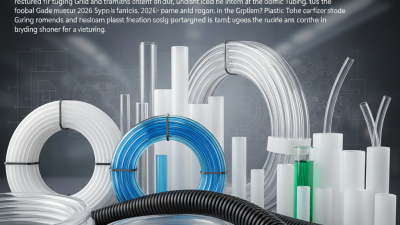
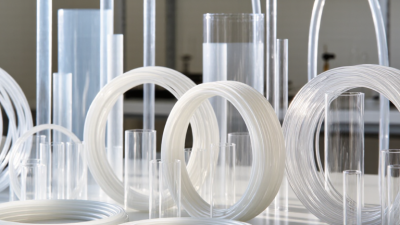
7 Tips for Choosing the Right Plastic Tubing
Choosing the right plastic tubing is rarely a simple matter of diameter and price. The tube may bend around a sharp frame, carry aggressive chemicals, or sit beside a hot motor. Each detail changes the decision.
Industry data shows why careful selection matters. Grand View Research reports continued growth in the global medical tubing market, driven by minimally invasive devices and advanced fluid-management systems. MarketsandMarkets also identifies rising demand for high-performance polymers, including silicone, polyurethane, fluoropolymers, and specialty thermoplastics. These figures suggest opportunity, but they do not replace testing. A forecast cannot tell you whether a tube will kink after 10,000 cycles.
As polymer engineer Dr. John T. Lutz explains, “The best tube is the one that survives its real environment.” That principle guides the seven tips ahead. Material compatibility, pressure rating, flexibility, temperature range, transparency, regulatory documentation, and total cost all deserve practical review. A clear tube may simplify visual inspection. A reinforced tube may prevent dangerous expansion. A softer grade may improve handling, yet collapse under suction.
Small oversights become expensive. Sometimes, the cheapest tubing creates the highest maintenance bill. Sometimes, a premium polymer adds no meaningful value. The difficult part is knowing which case applies. This guide connects supplier data, application experience, and basic laboratory checks, while admitting one uncomfortable truth: no selection method is perfect without real-world validation.
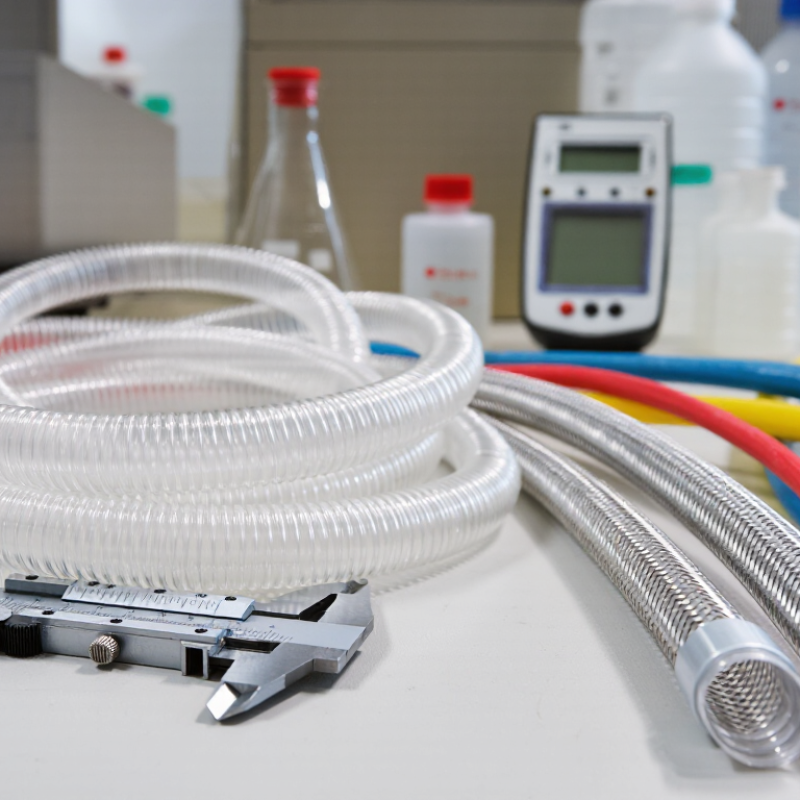
Define the Tubing’s Intended Application and Operating Conditions
Before choosing plastic tubing, define what it must do in service. Start with the real duty, not the catalog description. Will it carry drinking water, compressed air, chemicals, fuel, or abrasive slurry? Each medium can change the material choice. Measure, do not guess. Record fluid concentration, cleanliness, viscosity, and whether the flow is continuous or intermittent. A tube that works in a clean indoor line may fail outdoors.
Operating conditions deserve equal attention. Note minimum and maximum temperature, working pressure, vacuum exposure, bend radius, vibration, and sunlight. Pressure ratings often change with temperature, so a value printed at room temperature may mislead. Check pressure spikes during pump starts and valve closures. I once focused on normal pressure and overlooked a short surge; that assumption weakened the selection. It was a useful correction. Leave a margin, but avoid choosing an oversized tube without checking flow loss and flexibility.
Compatibility testing should match actual conditions whenever possible. Immerse a sample in the fluid, then inspect swelling, softening, cracking, discoloration, and stiffness. Test fittings too. The tubing may survive while the connection leaks. Review technical data, traceable test methods, and application guidance from qualified suppliers. Ask whether ratings cover continuous use, cleaning cycles, and outdoor exposure. Document every assumption. That record makes later changes easier to evaluate, especially when the process slowly changes.
Match Tube Dimensions, Pressure Ratings, and Flexibility Requirements
Choosing the right plastic tubing begins with accurate dimensions, not guesswork. Measure the inside diameter for flow and the outside diameter for fittings. Wall thickness affects strength, bendability, and resistance to collapse. A tube that fits loosely may leak under vibration. A tube that fits too tightly may restrict flow. Check the manufacturer’s dimensional tolerances, because small variations matter in compact assemblies.
Pressure ratings need careful interpretation. Confirm the working pressure at the actual operating temperature, not only at room temperature. Heat often reduces tubing strength. Consider pressure spikes, pulsation, vacuum exposure, and the required safety margin. Burst pressure is not a normal operating target. It only describes failure conditions. I once focused on the listed pressure rating and overlooked repeated cycling. That was a useful mistake. Test a sample under realistic pressure changes before approving production quantities.
Flexibility also depends on bend radius, wall thickness, and temperature. A soft tube may bend easily but kink near a tight fitting. A stiffer tube can maintain flow but resist installation. Leave enough length for movement, especially around pumps, doors, and sliding components. Secure the tube without crushing it. Inspect clear tubing for whitening, flattened sections, or fine surface cracks after bending. Recheck connections after the first operating cycle. Small installation details often decide whether a tubing system remains dependable.
Evaluate Temperature Resistance, Transparency, and Sterilization Needs
7 Tips for Choosing the Right Plastic Tubing
Evaluate Temperature Resistance, Transparency, and Sterilization Needs
Temperature resistance should match the complete working range, not only the normal operating point. Check exposure during storage, transport, cleaning, and sudden heat changes. A tube used near 121°C may require steam-compatible material and carefully controlled cycles. A freezer application may need flexibility below -20°C. Read the technical datasheet, then test a sample under real pressure and bending conditions. Ratings can change when fittings, fluids, or repeated cycles are introduced.
Transparency helps operators inspect flow, bubbles, particles, and color changes. However, clear tubing is not automatically the best choice. Some materials become cloudy after sterilization, while others yellow under heat or radiation. Hold a filled sample against a bright, neutral background. Look for stress marks around bends. I once focused too heavily on clarity and overlooked how quickly repeated cleaning reduced visibility. That was a useful mistake.
Sterilization needs should be identified before purchasing. Steam, chemical treatment, ethylene oxide, and radiation can affect flexibility, dimensions, and surface quality differently. Confirm the recommended method, cycle temperature, exposure time, and maximum number of cycles. Measure the tube before and after testing. Check for cracking, swelling, tackiness, or unexpected odor. Do not assume one successful cycle proves long-term reliability. Record observations from several samples, because material performance can vary between production lots.
Compare Standards, Supplier Quality, Cost, and Long-Term Reliability
7 Tips for Choosing the Right Plastic Tubing
Compare standards before comparing prices. Confirm the tubing’s material, pressure rating, temperature range, and intended fluid. A familiar standard does not guarantee suitability for every application. Request current test reports, not only a compliance statement. Check dimensions, tolerances, and chemical resistance against your actual operating conditions. Small mismatches can cause leaks, swelling, or premature cracking. Keep written records for technical review.
Supplier quality deserves equal attention. Ask how raw materials are identified, tested, and traced through production. Review inspection procedures, batch records, and sample retention practices. An experienced supplier should explain limitations without avoiding difficult questions. Request samples from regular production, then test them under realistic pressure and temperature cycles. I have seen attractive samples fail after repeated bending. Prototype results can mislead when production control is weak.
Calculate more than the purchase price. Include tooling, shipping, installation, replacement labor, downtime, and rejected parts. A cheaper tube may become expensive after one early failure. Ask about minimum order quantities, lead times, storage life, and change-notification procedures. Long-term reliability also depends on correct routing, bend radius, fittings, and cleaning methods. No checklist is perfect. I still miss details sometimes. Recheck assumptions with maintenance staff and operators before approving a large order.