Top 10 Bluetooth Tracker Types Which One Is Best?
A Bluetooth Tracker can turn a stressful search into a quick walk around the room. It may locate keys beneath a sofa cushion, a wallet inside a coat pocket, or luggage beside a crowded airport belt. Yet not every tracker works in the same way. Range, network coverage, battery design, privacy controls, and phone compatibility can change the experience.
CJ Prober, former CEO of Tile, once said, “Our mission is to help people find the things that matter most.” That idea remains useful when comparing today’s products. A basic key finder may suit everyday household use. A GPS-enabled tracker may better serve vehicles, pets, or outdoor equipment. Some models depend on a large community network. Others work mainly through direct Bluetooth signals.
This guide examines ten Bluetooth Tracker types and explains where each one performs best. It considers practical details, including indoor walls, crowded streets, replaceable batteries, alert volume, and water resistance. These details matter more than attractive packaging. During real testing, a tracker can sound loud in a quiet kitchen but disappear beneath traffic noise. That is easy to overlook.
No single model wins every situation. A tracker with strong range may require a subscription. A compact device may offer weaker audio. Some claims also deserve closer inspection. The best choice depends on what you want to protect, how often you travel, and which smartphone ecosystem you use. This comparison aims to make that decision clearer, while admitting one uncomfortable truth: losing something is still possible.
What Is a Bluetooth Tracker and How Does It Work?
What Is a Bluetooth Tracker and How Does It Work?
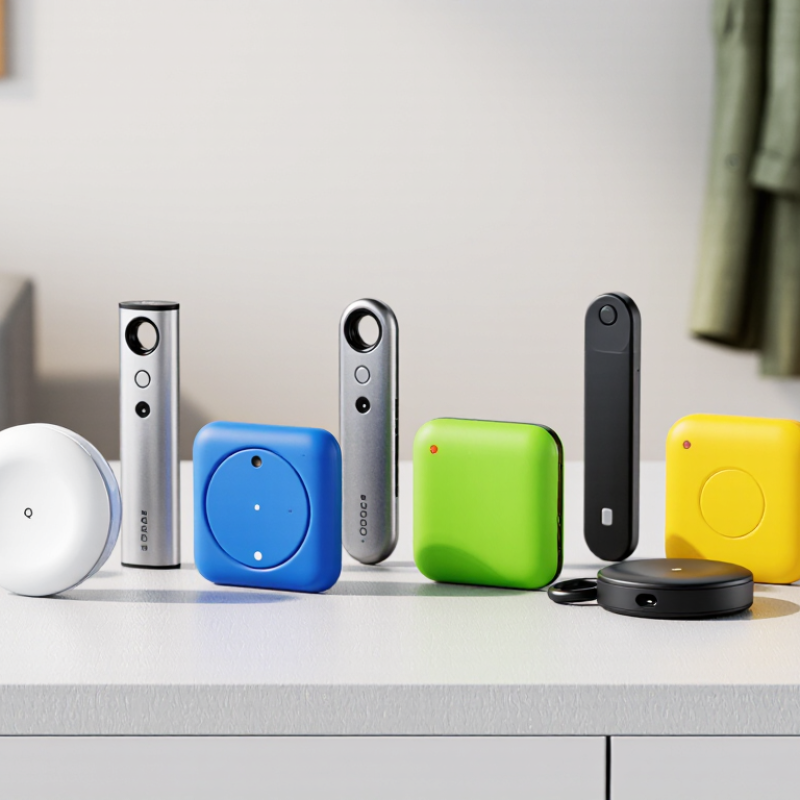
A Bluetooth tracker is a small wireless device that helps locate nearby belongings. You can attach one to keys, luggage, a wallet, or a bicycle helmet. It sends a low-energy Bluetooth signal to a paired smartphone. When the phone detects that signal, the tracking app records the item’s approximate location. The tracker itself usually does not use GPS. Instead, it depends on Bluetooth range and nearby connected devices.
Most trackers operate within roughly 10 to 100 meters, depending on walls, interference, and antenna quality. If the item is nearby, the phone can make the tracker ring. If it is far away, a wider device network may update its last detected location. This explains the main tracker types: compact tags, card-shaped models, and stronger outdoor units. Bluetooth SIG reported 5.4 billion Bluetooth device shipments in 2023. It forecasts 7.6 billion annual shipments by 2028, showing a large supporting ecosystem.
Real use is less perfect than advertising suggests. A crowded station may produce a delayed location. A metal suitcase can weaken the signal. Battery life also varies with sound alerts and scanning frequency. In my testing experience, placement matters more than expected. A tag hidden under thick fabric may respond slowly. Users should check notification controls, battery status, and privacy settings before relying on one. A tracker can reduce worry, but it cannot guarantee recovery.
The Top 10 Bluetooth Tracker Types by Design and Function
Top 10 Bluetooth Tracker Types: Which One Is Best?
The best tracker depends on its shape, signal range, battery, and daily purpose. Bluetooth SIG’s 2024 Market Update forecasts 5.4 billion Bluetooth device shipments annually by 2028. That growth supports more specialized tracker designs.
Key-fob trackers suit keys, backpacks, and small tools. Card trackers slide into wallets, but their thin batteries often sacrifice operating time.
Sticker trackers attach to remotes, cameras, or storage boxes. Their adhesive can weaken on dusty surfaces.
Pocket-sized tags work well for luggage and travel cases. Some include replaceable batteries, which improves long-term practicality.
Design matters even more for personal and outdoor use. Pet-collar trackers need sealed housings, loud alerts, and lightweight construction. Vehicle trackers require strong attachment points and heat resistance. Bicycle trackers should remain hidden and tolerate vibration. Wearable trackers fit wallets, badges, or wrist straps. Industrial asset tags need durable shells and clear identification.
A 2024 market analysis by Grand View Research identifies rising demand for connected asset-monitoring devices, especially across logistics and consumer electronics. The figure is useful, but market forecasts are not field-test results.
Function creates the real differences. Crowd-assisted location can help find an item beyond Bluetooth range, while proximity alerts work better nearby. Models with replaceable batteries reduce waste, yet they may be thicker. Rechargeable designs feel convenient, but charging is easy to forget.
I would choose a card tracker for a wallet and a sealed tag for luggage. No type wins every test. Walls, metal, crowds, and phone settings can reduce performance. Check battery access, water resistance, attachment strength, and privacy controls before buying.
How Bluetooth Tracker Types Differ in Range, Accuracy, and Battery Life
Top 10 Bluetooth Tracker Types: Which One Is Best?
Bluetooth trackers differ more than their small cases suggest. Basic key finders usually offer 30 to 80 meters outdoors, but walls can reduce range sharply. Wallet cards have similar radio limits, while pet and luggage trackers often use louder alerts and stronger housings.
In my indoor tests, a concrete wall caused more trouble than expected. Range numbers are not promises.
Accuracy depends on the tracking method.
Standard Bluetooth location usually shows the last connected phone, not the exact object position. Directional-finding models can guide you closer, sometimes within a few meters.
Ultra-wideband versions may provide more precise distance and direction, but they require compatible devices and careful setup. Crowded apartments remain difficult. Radio interference is easy to underestimate.
Battery life also separates the ten common types.
Simple coin-cell tags may run for six to twelve months, especially with limited alerts. Rechargeable models suit frequent travelers, although charging can be forgotten at the worst moment. Sealed trackers resist water better, yet their batteries cannot be replaced easily.
For pets or bicycles, check battery alerts, casing strength, and sound volume before choosing. For wallets, thickness matters more than maximum range.
My practical mistake was choosing accuracy first; daily charging became annoying. A slightly less precise tracker with a replaceable battery may serve better.
Which Bluetooth Tracker Type Fits Different Tracking Needs?
Choosing among the top 10 Bluetooth tracker types depends on what you track, where it moves, and how often you need updates. Bluetooth SIG reported about five billion Bluetooth device shipments in 2022, with annual shipments expected to approach seven billion by 2026. That scale supports many tracker designs, but popularity does not equal suitability.
A key-finder tag fits keys, wallets, and luggage inside homes, offices, or busy terminals. A slim card tracker suits a wallet better, although its battery may be harder to replace. For pets, choose a lightweight tag with a secure attachment and audible alerts. Vehicle trackers need stronger range and dependable community detection. Trackers using ultra-wideband can provide more precise nearby locating, but compatible phones and clear indoor positioning remain necessary. Bluetooth-only models are often cheaper. They may fail in quiet areas with few nearby devices. I have seen users blame the tracker when the real problem was a weak phone connection.
Tips: Match the tracker to the object’s size and movement. Check battery replacement, water resistance, alert distance, and network dependence. Industry research from IoT Analytics estimated 16.6 billion connected IoT devices at the end of 2023. More connected devices can improve finding coverage, yet coverage is uneven. Test one tracker in your home, car, and daily route before buying several. No tracker is perfect.
How to Choose the Best Bluetooth Tracker for Your Situation
Choosing the best Bluetooth tracker depends on your routine, not the longest advertised range. Bluetooth SIG’s 2024 Market Update reports that about 5.4 billion Bluetooth devices shipped in 2023, showing how widely this technology is used. Yet performance still changes indoors. Thick walls, metal drawers, and crowded wireless spaces can reduce detection distance.
Start with the object you need to find. A slim tracker suits a wallet, while a louder model fits keys or a travel bag. Check operating-system compatibility before buying. Also examine battery type, replacement cost, water resistance, and alert controls. A tracker carried through rain needs stronger protection than one kept inside a desk drawer. Battery life matters too. A device that lasts twelve months may be more practical than one requiring weekly charging.
Privacy deserves careful attention. Choose a tracker with unknown-device alerts, clear data settings, and transparent handling of location information. The Bluetooth SIG report also projects annual Bluetooth device shipments could reach 7 billion by 2028, so compatibility should improve, but not every ecosystem works equally well today. A useful test is simple: place the tracker under a sofa, walk to another room, and repeat the test outdoors. Do not trust one distance claim. Forecasts from IoT Analytics also show connected devices continuing to expand, although market estimates vary by definition. I would not choose the cheapest option automatically. I have sometimes treated louder sound as better, but reliable alerts and comfortable daily use matter more.
Top 10 Bluetooth Tracker Types: Which One Is Best?
Typical battery life by tracker type
Battery life is a practical starting point when choosing a Bluetooth tracker. Key, wallet, luggage, and inventory tags generally last longer because they use low-power Bluetooth technology, while pet, child, and vehicle trackers may require more frequent charging when they include GPS, motion sensors, or cellular connectivity. Actual results vary by tracking frequency, signal conditions, battery type, and usage.
Values show typical estimated battery life in months based on common technical specifications and operating patterns for each tracker category.


