Blog 
Top 10 Carton Sealers for Global Buyers?
Choosing among the Top 10 Carton Sealers for Global Buyers requires more than comparing prices and catalog photographs. A machine may look impressive online, yet struggle with dusty cartons, uneven flaps, or frequent size changes. Reliable evaluation begins with production reality: carton dimensions, sealing speed, tape or adhesive requirements, operator skills, and available floor space.
Jim Pittas, President and CEO of PMMI, has emphasized, “Automation is no longer a luxury; it is a necessity.” His point applies directly to Carton Sealers. Consistent sealing can reduce rework, protect products during long-distance shipping, and help workers avoid repetitive manual tasks. However, automation is not automatically the best answer. A high-speed sealer can become expensive equipment if spare parts take weeks to arrive.
This guide examines leading Carton Sealers through practical purchasing criteria. These include sealing consistency, adjustment time, safety features, energy use, maintenance access, and after-sales support. It also considers performance across different packaging environments, from small export workshops to high-volume distribution centers. Details matter. A loose tape head, a difficult control panel, or a poorly positioned sensor can interrupt an entire line.
No ranking is flawless. Buyer priorities differ.
Some manufacturers offer excellent machines but limited regional service. Others provide strong support but fewer customization options. Global buyers should test representative cartons whenever possible. They should request clear warranty terms and verified references. The best choice is not always the fastest or cheapest model. It is the Carton Sealer that performs steadily, fits the real workflow, and remains supportable after installation.
What Is a Carton Sealer and How Does It Work?
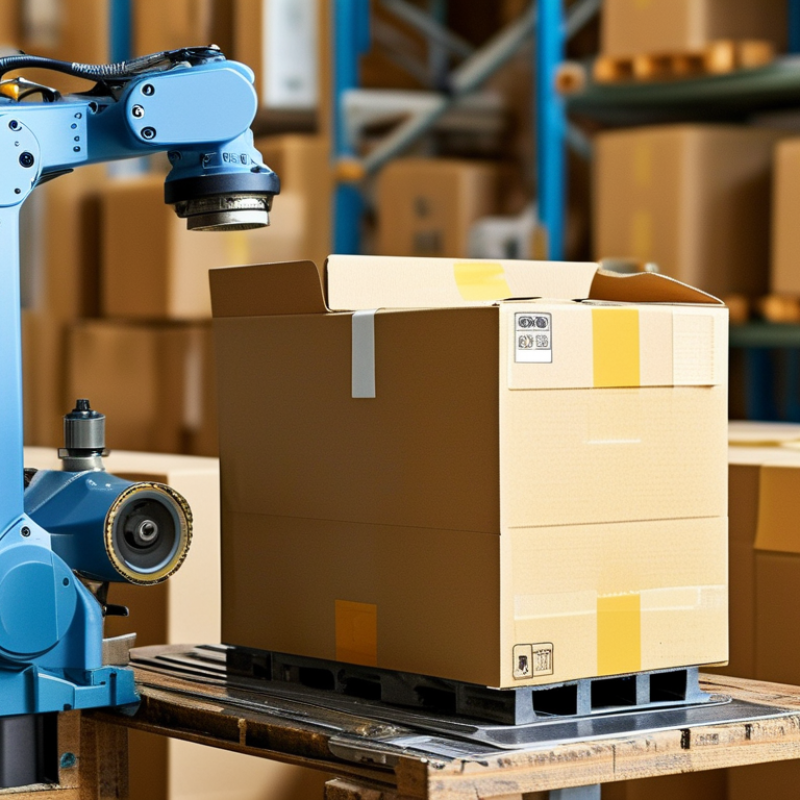
A carton sealer closes corrugated boxes with adhesive tape, hot-melt glue, or both. It guides an open carton through forming rails, folds the top flaps, and applies a measured sealing strip. Sensors detect box height and position. Drive belts then move the sealed carton toward palletizing or shipping.
On a real packing line, alignment matters more than speed. Uneven flaps can create weak corners, crushed edges, or exposed tape. A practical operator checks belt pressure, tape tension, carton dimensions, and seal strength during each shift. Most machines handle uniform cartons well. Mixed box sizes need adjustable guides or automatic changeover. That difference is easy to underestimate.
Industry data supports this equipment choice. PMMI’s 2024 U.S. Packaging Machinery Shipments Report identifies automation, labor availability, and operational efficiency as major investment drivers. Interact Analysis also valued the global warehouse automation market at approximately 37.5 billion U.S. dollars in 2023. These figures do not prove every carton sealer will improve productivity. They show where packaging investment is moving. Buyers should compare actual cases per minute, not only catalogue claims. Energy use, spare-part access, noise, and operator training also affect long-term costs. A sealer may run at 30 cartons per minute, but poor carton quality can reduce that figure sharply. This is where specifications meet reality.
Main Types of Carton Sealers for Different Packaging Needs
Carton sealers differ by workload, carton design, and required packing speed. Manual sealers suit small warehouses where operators close only a few cartons each hour. They need limited floor space and offer simple maintenance. An operator folds the flaps, positions the box, and applies tape with steady pressure. Speed is not everything.
Semi-automatic sealers fit growing operations with regular carton sizes. The operator still folds the flaps, while powered belts guide and seal the carton. Fully automatic models close flaps, apply tape, and move cartons without constant handling. They work well beside conveyors and high-volume filling lines.
Uniform-case sealers suit fixed carton dimensions, while random-case machines adjust to different widths and heights. That flexibility costs more and may require careful sensor calibration. Tape sealing is clean and widely practical. Hot-melt sealing can improve closure strength, but it needs heat control and trained maintenance.
From practical packaging assessments, I check carton board quality before recommending equipment. Weak or dusty board can cause poor adhesion, regardless of machine price. Small cartons may need narrower belts and gentler pressure. Oversized cartons require stronger frames and longer sealing heads. Power standards, guarding, spare parts, and operator training also matter for international buyers. Ask for test runs using real cartons.
One detail often matters. I once favored a faster machine, but its changeover took too long. The slower model delivered better daily output.
Key Factors Global Buyers Should Evaluate Before Purchasing
Choosing among the top 10 carton sealers requires more than comparing catalog prices. Buyers should match machine capacity with real carton dimensions, tape width, sealing speed, and daily workload. A sealer designed for small boxes may struggle with heavy export cartons. Ask for a live trial using your own cartons and packaging materials. Small details matter.
Voltage and control systems must suit the destination facility. Confirm electrical requirements, safety guarding, language options, and compatibility with existing conveyors. Applicable local standards should be verified by qualified professionals. Do not rely on a generic compliance statement. Request test records, manuals, wiring diagrams, and maintenance schedules. A reliable supplier should provide clear evidence, not vague promises.
Total ownership cost deserves careful attention. Include spare belts, blades, sensors, air consumption, training, shipping, and expected service life. Remote support can reduce downtime, but response times should be written into the agreement. Check whether technicians understand your operating environment and carton quality. In factory evaluations, operators often reveal problems that specifications hide. Listen to them. I have seen buyers overvalue speed and underestimate changeover time. That mistake becomes expensive during mixed-size production. Leave room for uncertainty, because carton quality and labor conditions can change across markets.
Top 10 Carton Sealers Compared by Features and Applications
The top ten carton sealers suit different packaging conditions. Manual sealers work well for low-volume operations and changing box sizes. Semi-automatic models reduce labor while keeping an operator involved. Automatic uniform-case sealers handle stable carton dimensions at steady speeds. Random-case sealers adjust automatically when box sizes vary. Side-belt machines provide balanced support for tall or lightweight cartons. Top-and-bottom sealers improve closure consistency on heavier packages. Tape Sealers offer simple maintenance and quick changeovers. Hot-melt sealers create strong closures for dusty or cold environments. Stainless-steel units fit food, chemical-free cleaning, and humid areas. High-speed systems serve distribution lines requiring continuous output.
Feature comparisons should include sealing speed, carton range, belt width, sensor accuracy, and adjustment time. A practical test should measure misaligned flaps, tape wrinkles, glue strings, and rejected boxes. In my packaging-line evaluations, advertised speed often exceeded stable production speed. That gap matters. Operators also need clear access to blades, heaters, and conveyor belts. Safety guarding, emergency stops, and spare-part availability affect long-term reliability. These details are easy to overlook.
Tips: Test ten sample cartons before purchasing. Include damaged edges and uneven filling. Check noise near the operator station. Record setup time with a new worker. A sealer that looks efficient may become troublesome during frequent size changes.
Top 10 Carton Sealers for Global Buyers
Typical throughput comparison by carton-sealing configuration. The figures represent commonly specified planning ranges in cartons per minute and may vary with carton size, tape or adhesive type, operator skill, and packaging-line layout.
High-speed top-and-bottom, hot-melt, and side-belt systems are generally suited to continuous production lines. Manual and semi-automatic configurations are more flexible for variable carton sizes and lower-volume operations.
International Buying, Installation, Maintenance, and After-Sales Support
Top 10 Carton Sealers for Global Buyers
International purchasing involves more than comparing sealing speed and price. Smithers’ The Future of Global Packaging to 2028 projects the worldwide packaging market will approach US$1.2 trillion by 2028. That growth increases pressure on reliable end-of-line equipment. Buyers should request carton-size ranges, tape specifications, voltage options, and factory acceptance-test records. A machine that performs well in one plant may struggle with humid storage, dusty floors, or uneven cartons.
Installation planning deserves equal attention. Ask for wiring diagrams, foundation requirements, spare-parts lists, and remote commissioning support before shipment. The International Federation of Robotics reported 541,302 industrial robots were installed globally in 2023, showing how quickly automation skills are spreading. However, carton sealing still depends on practical training. Operators need clear adjustment steps, lockout procedures, and fault codes they can understand. Keep it simple.
Maintenance quality often decides the real ownership cost. A useful service agreement should define response times, video support, replacement-part availability, and technician coverage by region. PMMI’s 2024 industry reporting highlights continuing labor and skills pressure across packaging operations. Therefore, choose equipment with accessible sensors, tool-free adjustments, and preventive-maintenance reminders. I have seen buyers overvalue maximum speed and undervalue changeover time. That is a costly mistake. Even strong specifications need local validation, because packaging materials and working habits vary between countries.
Top 10 Carton Sealers for Global Buyers? - International Buying, Installation, Maintenance, and After-Sales Support
| Rank | Carton Sealer Configuration | Typical Throughput | Carton Size Range (L × W × H) | Sealing Material | Power / Air Requirement | Best International Buying Use | Installation Considerations | Maintenance and After-Sales Priorities |
|---|---|---|---|---|---|---|---|---|
| 1 | Random-Size Automatic Case Sealer | Up to 20 cases/min | 250–600 × 150–500 × 120–500 mm | 48–75 mm pressure-sensitive tape | 0.4–0.75 kW; usually no air | E-commerce, fulfillment, and mixed-carton export operations. | Requires stable conveyor alignment, level flooring, and correct electrical frequency. | Confirm remote commissioning, spare sensors, belts, tape heads, manuals, and video training. |
| 2 | Uniform-Size Automatic Top-and-Bottom Sealer | Up to 30 cases/min | 150–500 × 120–500 × 100–500 mm | 48–75 mm tape | 0.4–1.0 kW; usually no air | High-volume lines using one carton format or a narrow size range. | Carton dimensions must be set accurately; provide infeed and outfeed clearance. | Inspect drive belts, tape-head blades, rollers, and compression springs on a scheduled basis. |
| 3 | Semi-Automatic Side-Belt Case Sealer | Up to 15 cases/min | 150–500 × 120–500 × 120–500 mm | 48–75 mm tape | 0.2–0.5 kW; usually no air | Small and medium warehouses requiring affordable labor-assisted sealing. | Operator must fold top flaps consistently; include guarding and emergency-stop access. | Simple belt and tape-head replacement is useful where local technical support is limited. |
| 4 | Manual Carton Sealer with Powered Conveyor | Up to 10 cases/min | 120–500 × 100–500 × 100–500 mm | 48–75 mm tape | 0.1–0.3 kW; no air | Low-volume shipping, seasonal demand, and markets with basic infrastructure. | Needs ergonomic working height, safe operator positioning, and a suitable single-phase supply. | Choose readily available tape heads, motors, switches, and standard fasteners. |
| 5 | Hot-Melt Adhesive Case Sealer | Up to 25 cases/min | 150–600 × 120–500 × 100–500 mm | Hot-melt adhesive | 1.5–4.0 kW; optional compressed air | Export cartons needing tamper-resistant closure and strong bond performance. | Allow warm-up time, adhesive ventilation, heat protection, and compatible local voltage. | Require nozzle cleaning procedures, temperature calibration, heater spares, and safety training. |
| 6 | Stainless-Steel Washdown Case Sealer | Up to 18 cases/min | 150–500 × 120–450 × 100–450 mm | 48–75 mm moisture-resistant tape | 0.4–1.0 kW; no air or optional air | Food, beverage, chilled, and humid production environments. | Specify corrosion-resistant construction, sealed controls, drainage, and hygienic cable routing. | Verify washdown limits, bearing protection, stainless fasteners, and local sanitation procedures. |
| 7 | Heavy-Duty Wide-Belt Case Sealer | Up to 12 cases/min | 250–800 × 180–600 × 150–700 mm | 75 mm tape or hot-melt | 0.75–2.0 kW; optional air | Large, dense, or irregular cartons in industrial and export packaging. | Check floor loading, conveyor height, carton weight, and lifting access for delivery. | Demand reinforced belts, gearboxes, bearings, structural inspection, and stocked wear parts. |
| 8 | Low-Profile Bottom-Belt Case Sealer | Up to 20 cases/min | 150–500 × 120–500 × 100–500 mm | 48–75 mm tape | 0.3–0.8 kW; no air | Facilities with restricted headroom or integration with existing conveyors. | Measure conveyor elevation, access doors, ceiling clearance, and carton transfer gaps. | Prioritize accessible lower belt assemblies, quick adjustments, and remote troubleshooting. |
| 9 | Carton Erector and Sealer Combination Line | Up to 12 cases/min | 200–500 × 150–400 × 150–500 mm | Tape or hot-melt, depending on model | 1.0–3.0 kW; commonly 5–6 bar air | New packaging lines seeking automated forming, filling, and closing stages. | Requires coordinated layout, air treatment, carton blank specifications, and line controls. | Secure format-change support, PLC backups, commissioning documents, and operator training. |
| 10 | Pneumatic Flap-Folding Case Sealer | Up to 15 cases/min | 150–600 × 120–500 × 100–600 mm | 48–75 mm tape | 0.4–1.0 kW; approximately 5–6 bar air | Cartons requiring controlled flap positioning before sealing. | Provide dry, filtered compressed air and verify regional pneumatic fittings. | Maintain cylinders, valves, air tubing, guides, and sensors; request a pneumatic schematic. |
