Blog 
Top Quality Garden Hose Manufacturers in China?
Choosing among top quality garden hose manufacturers in China requires more than comparing catalog photos. A reliable supplier should prove how its hose performs under pressure, sunlight, heat, and repeated coiling. This guide explores practical indicators of quality, including material selection, wall thickness, flexibility, connector strength, and production consistency. It focuses on manufacturers that can explain their testing methods clearly. A serious factory should provide samples, inspection records, and traceable batch information. Small details matter. A brass fitting should seat firmly without leaking. A reinforced hose should resist kinking near the tap. These points often reveal more than attractive packaging.
Experienced buyers also examine factory capabilities, export experience, communication speed, and after-sales responsibility. Certifications may support credibility, but they should match the product and destination market. Independent inspections can confirm dimensions, pressure resistance, and appearance before shipment. A strong quality garden hose should remain usable after repeated outdoor exposure, not only during a showroom demonstration. However, no manufacturer is perfect. Even a respected supplier may face color variation, delayed components, or occasional assembly defects. That reality deserves honest discussion. Buyers should request clear tolerances, production samples, and corrective-action procedures before placing large orders. This overview will compare important supplier characteristics and explain how to assess value beyond the lowest quotation. The goal is practical, evidence-based selection. Better questions usually lead to better hoses.
What Makes a Garden Hose Manufacturer High Quality?
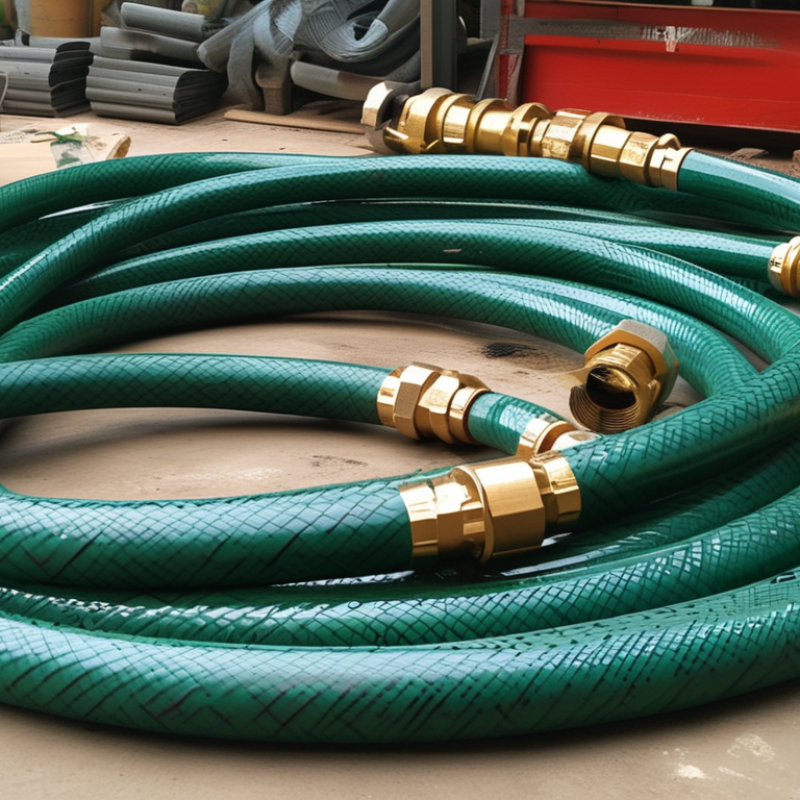
A high-quality garden hose manufacturer in China starts with controlled raw materials. Reliable factories specify resin grades, plasticizers, reinforcement yarn, and metal or polymer fittings. They test samples for flexibility, burst pressure, kink resistance, and ultraviolet exposure. These checks should happen before mass production, not after complaints arrive.
In factory assessments, I look for traceable batch records and calibrated testing equipment. A hose should remain flexible after repeated bending, even in cold storage. Its inner wall should feel smooth and show no obvious bubbles or thin sections. Couplings must lock firmly, while washers should resist leakage during ordinary household pressure. Small details matter. A clean production line also reduces contamination and uneven color.
High-quality manufacturers explain their limits instead of promising impossible performance. They provide clear specifications, inspection reports, packaging details, and practical guidance for storage. Independent quality audits can verify these claims, although one visit never proves everything. I have seen attractive samples fail after prolonged sun exposure. That mistake deserves attention, not excuses. Suppliers should also investigate rejected goods, record corrective actions, and welcome reasonable customer testing. Their reliability appears in repeated shipments, honest communication, and consistent dimensions. Price matters, but unstable quality creates greater costs through returns, downtime, and wasted packaging.
Key Garden Hose Manufacturing Standards in China
Chinese garden hose production depends on measurable standards, not only attractive samples. A 2024 market report by Grand View Research estimates steady global garden hose growth through 2030, increasing pressure on Chinese factories to prove consistency. Export-focused manufacturers commonly use ISO 1307 for hose dimensions and tolerances, ISO 1402 for hydrostatic pressure testing, and ISO 8033 for layer adhesion. Chinese laboratories also reference GB/T 5563 when testing rubber and plastic hose pressure performance.
Material control starts with the compound. PVC, rubber, reinforcement yarn, and plasticizers should have batch records and traceable supplier documents. Testing should include working pressure, burst pressure, flexibility, ozone resistance, and leakage after repeated bending. A factory may report a burst pressure of 24 bar, but that number means little without temperature, sample length, and test duration. Details matter.
The China National Bureau of Statistics reported China’s plastic products output at roughly 74 million tonnes in 2023. That scale supports strong supply networks, yet it can also hide uneven quality. Factory audits often find small wall-thickness differences near fittings. They are easy to miss. Production lines need calibrated gauges, documented sampling plans, and retained samples from every batch. Certification helps, but it is not proof alone. A hose can pass one laboratory test and still fail after months in sunlight. This remains an area for honest improvement.
Main Types of Garden Hoses Made by Chinese Manufacturers
Chinese manufacturers produce several garden hose types for homes, farms, nurseries, and light commercial use. PVC hoses remain popular because they are affordable, lightweight, and easy to color. Braided PVC adds polyester reinforcement, improving pressure resistance and reducing swelling during use. Rubber hoses offer better flexibility in changing temperatures, but they usually weigh more.
Thermoplastic elastomer hoses feel softer and resist cracking better than basic PVC. Expandable hoses use an elastic inner tube and fabric cover, saving storage space. Soaker hoses release water through tiny pores and suit vegetable beds.
Flat hoses are easy to roll, while spiral hoses fit balconies and compact gardens. Industry reports from Grand View Research and Fortune Business Insights indicate that the global garden hose market is expected to grow at roughly 4–5% annually during the forecast period. Demand is moving toward lighter materials and water-efficient designs.
Tips: Ask for wall thickness, burst pressure, connector material, and temperature ratings. Request test reports before placing a large order. A heavier hose is not always stronger. A lightweight model may kink quickly. This is where buyers sometimes misjudge quality. Check samples after repeated bending, sunlight exposure, and water-pressure tests. Manufacturers with documented quality control usually provide more reliable results, although even good designs may need better fittings.
How to Evaluate Chinese Garden Hose Suppliers
Top Quality Garden Hose Manufacturers in China?
How to Evaluate Chinese Garden Hose Suppliers
Evaluating a Chinese garden hose supplier requires more than checking catalog photos. Request samples in several diameters, then inspect the inner wall, reinforcement, fittings, and surface finish. A reliable hose should bend smoothly without flattening. It should also recover its shape after coiling.
Ask for clear technical data. Check working pressure, burst pressure, temperature range, wall thickness, and material composition. Confirm whether the supplier tests ultraviolet exposure, repeated bending, leakage, and cold-weather flexibility. Factory test records should identify the batch, date, equipment, and inspector. Vague certificates deserve careful questions.
Visit the production site when possible. Observe material storage, extrusion lines, braiding processes, and final inspection. A clean workshop helps, but it proves little alone. Request a live production demonstration. Compare the approved sample with goods from the current batch. Small differences matter.
Supplier reliability also depends on communication. Can the team explain defects without hiding them? Do they answer technical questions with measurements? Ask for production capacity, lead times, packaging details, and a written quality agreement. Contact recent buyers, but treat every reference carefully. Some suppliers present only their best results. That is a weakness worth noting. A low price may reflect thinner walls, unstable materials, or rushed testing. The cheapest option can become the most expensive after returns and delays.
Top Quality Garden Hose Manufacturers in China? - How to Evaluate Chinese Garden Hose Suppliers
| No. | Evaluation Dimension | What to Check | Practical Benchmark | Evidence to Request | Evaluation Tip |
|---|---|---|---|---|---|
| 1 | Applicable Standards | Confirm whether the hose design, dimensions, pressure ratings and test methods are aligned with the destination market. | ISO 1307 may be used for hose dimensions and tolerances; ASTM D380 is commonly referenced for rubber hose testing where applicable. | Product specification, test plan, standard edition and third-party test report. | The cited standard should match the hose material and intended use, not just appear on a quotation. |
| 2 | Material Construction | Review the inner tube, reinforcement layer, cover, fittings and material percentages. | Common constructions include PVC, thermoplastic elastomer, rubber or multi-layer combinations. Reinforcement may use textile yarn or mesh. | Material declaration, cross-section photograph, technical data sheet and sample cut section. | Compare the approved sample with the mass-production cross-section before shipment. |
| 3 | Working Pressure | Check working pressure, burst pressure, test pressure and the temperature used during testing. | The required rating depends on diameter, construction and use. Do not compare pressure values without confirming the same test method and units. | Signed pressure-test records linked to batch numbers and product specifications. | Ask for results in both bar and psi when selling internationally, and verify unit conversions. |
| 4 | Size Accuracy | Measure inside diameter, outside diameter, wall thickness, length and dimensional tolerances. | Typical retail sizes include approximately 1/2 inch, 5/8 inch and 3/4 inch inside diameters, but the purchase specification should state exact dimensions in millimetres. | Inspection standard, calibrated measuring tools and dimensional inspection report. | A small inside-diameter variation can affect flow rate and connector compatibility. |
| 5 | Kink and Flexibility Performance | Evaluate bending resistance, recovery after bending, crush resistance and performance in storage conditions. | The supplier should define a test method, bend radius, conditioning temperature and acceptance criteria. | Internal test procedure, videos, sample-test results and user-condition simulation. | A visual demonstration alone is insufficient; request repeatable test conditions. |
| 6 | UV and Weather Resistance | Determine whether the cover and color package are suitable for outdoor sunlight, rain, heat and seasonal temperature changes. | UV performance should be supported by a defined accelerated-weathering method and exposure duration; no universal service life applies to every hose. | Weathering test report, formulation controls and visual inspection criteria. | Check for cracking, fading, tackiness and pressure loss after exposure. |
| 7 | Temperature Range | Verify the recommended operating temperature for the actual material and application. | Temperature limits vary substantially by PVC, elastomer, rubber and reinforcement design; the supplier should provide a tested range rather than a generic claim. | Technical data sheet, low- and high-temperature test records and warning labels. | Do not assume a garden hose is suitable for hot water unless the product is specifically designed and tested for it. |
| 8 | Fittings and Connection Compatibility | Check thread type, connector size, gasket material, clamp method and leakage performance. | Clearly identify whether connections use common garden-hose thread, metric thread or another regional system. | Thread gauge results, compatibility samples, leak-test records and assembly drawings. | Test the complete hose-and-connector assembly, not only the hose tube. |
| 9 | Leak and End-Fitting Retention | Assess leakage, pull-off resistance, fitting insertion depth and crimp or clamp consistency. | Acceptance limits should be agreed in writing and verified through sampling from each production batch. | Hydrostatic leak test, pull-off test, first-article approval and batch inspection report. | Many field complaints originate at fittings rather than in the hose wall. |
| 10 | Chemical and Regulatory Compliance | Review restricted substances, colorants, plasticizers, heavy metals and packaging requirements for the destination market. | For Europe, request applicable REACH and RoHS documentation where relevant. Additional rules may apply if drinking-water contact is claimed. | Recent laboratory reports, material declarations, safety data and conformity statements. | Reports should identify the tested material, product code and test date. |
| 11 | Quality Management | Assess incoming-material control, process inspection, final inspection, traceability and corrective-action procedures. | An ISO 9001-certified quality-management system can be useful, but certification does not replace product testing. | Valid certificate, audit report, inspection checklist, calibration records and corrective-action samples. | Verify the certificate scope, legal entity and validity independently. |
| 12 | Production Capacity and Lead Time | Confirm extrusion capacity, reinforcement capability, fitting assembly, packaging capacity and seasonal production constraints. | Lead time should be quoted separately for sampling, tooling, first production and repeat orders. | Capacity plan, production schedule, machine list and historical on-time-delivery data. | Ask how capacity is protected during peak gardening seasons. |
| 13 | Minimum Order Quantity and Cost Structure | Compare material cost, fittings, printing, packaging, tooling, inspection, freight terms and payment conditions. | Request a tiered quotation by order quantity and separate one-time tooling or artwork charges from unit price. | Detailed quotation, pro forma invoice, packaging specification and Incoterms. | The lowest unit price may indicate lower wall thickness, cheaper reinforcement or reduced inspection. |
| 14 | Packaging and Export Readiness | Check coil size, carton strength, palletization, barcode labeling, moisture protection and container utilization. | Packaging should protect the hose from crushing, abrasion, contamination and excessive bending during transport. | Packaging drawing, carton dimensions, packing list, drop-test results and loading photographs. | Approve a sealed production-packaging sample before mass production. |
| 15 | Sample and Pre-Shipment Inspection | Use samples to verify appearance, dimensions, pressure performance, flexibility, fittings and packaging before shipment. | The approved sample, golden sample and written inspection criteria should be linked to the purchase order. | Inspection report, defect classification, photographs, batch numbers and retained samples. | Use an independent inspection party for new suppliers or high-value orders. |
| 16 | After-Sales Support and Traceability | Evaluate warranty terms, complaint response, replacement policy, lot coding and root-cause analysis. | A reliable supplier should provide a documented complaint process and retain production records for each batch. | Warranty policy, complaint-response timeline, corrective-action form and traceability example. | Define remedies, response times and responsibility for defective goods in the sales contract. |
Quality Control, Certifications, and Export Capabilities
Top Quality Garden Hose Manufacturers in China?
Reliable garden hose manufacturers are judged by repeatable quality control, not attractive samples alone. Strong factories inspect incoming PVC, rubber, yarn, and metal fittings before production. They check wall thickness, inner diameter, burst pressure, flexibility, and coupling strength. Batch records should connect each roll to raw materials and test results. I have found that small details matter, such as clean thread edges and caps that remain secure during transport.
Certifications must fit the destination market and product use. An ISO 9001 system supports process control, but it does not automatically prove hose safety. Ask for current test reports covering pressure, aging, chemical migration, or potable-water contact when applicable. Independent laboratory verification adds credibility. However, certificates can become outdated, and sampling cannot reveal every hidden defect. This is where supplier audits, production inspections, and random pre-shipment checks remain valuable. Export-ready manufacturers should also provide accurate packing lists, customs documents, carton markings, and stable pallet packaging. Their team should understand container loading and seasonal shipping risks.
Tips: Request a recent inspection report, not only a certificate copy. Confirm the testing standard and issuing laboratory. Order a small trial shipment before scaling. Check whether the hose still coils smoothly after cold storage and long transit. A factory may promise fast delivery, yet capacity planning deserves closer questioning.
Related Posts
-
2026 How to Choose the Best Garden Hoses for Your Needs?
-
Transform Your Gardening Experience: The Ultimate Guide to Choosing a Quality Garden Hose
-
2026 How to Choose the Best Industrial Garden Hose for Your Needs?
-
Exploring the Evolution of Garden Hoses: Innovations Driving Water Efficiency in 2023
-
Why Choosing the Right Fire Hose Garden Hose Can Improve Your Watering Efficiency by Up to 30%
-
Top 5 High Quality Garden Hoses to Elevate Your Gardening Experience in 2023