Why Choose Galvanized Pipe for Global Projects?
Why Choose Galvanized Pipe for Global Projects?
Global infrastructure demands materials that perform beyond controlled factory conditions. Galvanized Pipe offers a practical defense against moisture, oxygen, and harsh outdoor exposure. Its zinc coating protects the steel through a barrier effect and sacrificial action. Small scratches can remain protected.
Dr. Gregory Zhang, a recognized corrosion specialist associated with the American Galvanizers Association, explains, “The galvanized coating protects steel through both barrier and cathodic protection.” This principle matters on construction sites where handling, transport, and weather can challenge surface protection. A properly galvanized pipe arrives ready for installation, reducing the need for repeated field painting.
It is not a perfect answer.
Project teams must still check coating thickness, pipe dimensions, connection methods, and local standards. Soil chemistry also deserves attention. A pipe buried in wet, aggressive soil may need additional design review. Experience teaches caution. Galvanized Pipe performs reliably when engineers match the product to its environment.
For international projects, consistency is equally important. Standardized manufacturing can support predictable inspection and procurement. Zinc-coated surfaces also provide a recognizable finish, helping workers identify protected steel quickly. This detail may seem minor, but it can reduce confusion during large installations.
The strongest choice is not always the cheapest purchase. It is the material that balances service life, maintenance, transport, and installation demands. For water systems, structural supports, fencing, and industrial frameworks, Galvanized Pipe can offer measurable long-term value. Still, specifications should come before assumptions. A thoughtful design review remains essential.
Galvanized Pipe Defined: Hot-Dip Zinc Coating Under ISO 1461
Why Choose Galvanized Pipe for Global Projects?
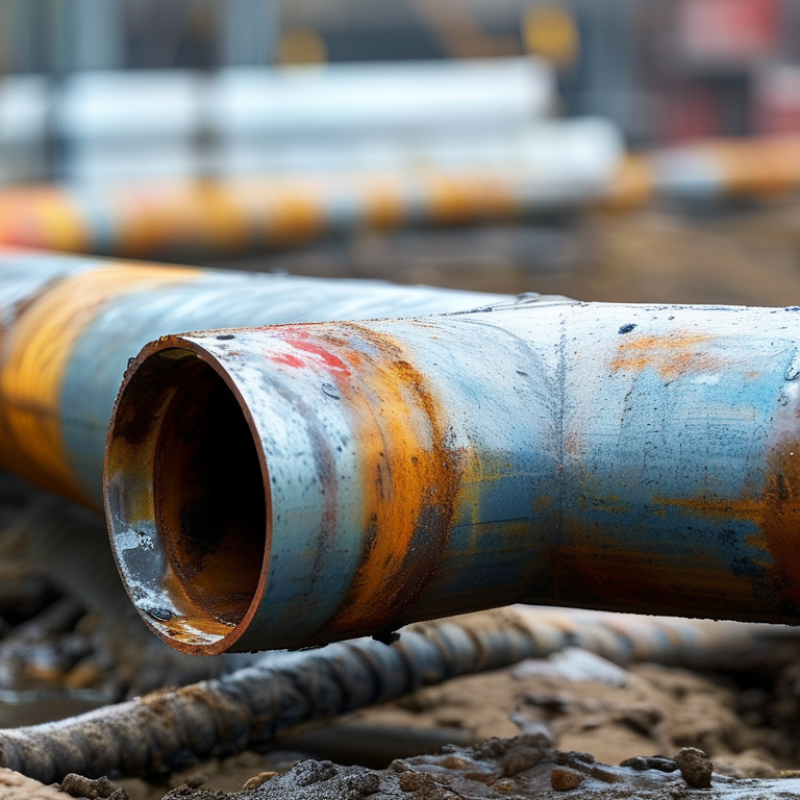
Galvanized pipe is steel protected by a hot-dip zinc coating. The pipe is immersed in molten zinc after surface preparation. Zinc bonds metallurgically with the steel, creating durable alloy layers and an outer zinc layer. Under ISO 1461, coating requirements include appearance, thickness, adherence, and inspection procedures. These details give project teams a consistent basis for acceptance across different locations.
On a real job site, the coating may show a slight shade variation, dull patches, or small surface textures. That is not automatically a failure. A perfectly bright finish is not the main performance measure.
Inspectors should check coating thickness and adhesion against the specified requirements. They should also examine cut ends, threads, weld zones, and damaged handling points. Those small areas often reveal more than a quick visual check.
The zinc layer acts as a sacrificial barrier when steel meets moisture and oxygen. This can reduce maintenance in outdoor structures, utility supports, agricultural systems, and industrial installations. Galvanized pipe also arrives ready for many applications, reducing the need for field painting. However, the environment still matters. Marine exposure, trapped water, soil chemistry, and contact with dissimilar metals can shorten service life. Project documents should state the applicable pipe standard, dimensions, coating expectations, and repair method. ISO 1461 helps, but it does not replace engineering judgment. That distinction deserves attention.
Coating Thickness: ISO 1461 Requires 45–85 μm on Steel
Why Choose Galvanized Pipe for Global Projects?
Global projects expose steel pipe to rain, humidity, salt air, and long transport cycles. A galvanized coating creates a practical barrier against early corrosion. Its value depends on measured thickness, not appearance alone.
ISO 1461 is often referenced for zinc coatings between 45 and 85 μm. However, this range is not a universal value for every pipe. The required minimum depends on steel thickness, product type, and whether the result is local or average coating thickness. A specification that copies “85 μm” without checking the applicable table may cause confusion during inspection. That detail matters.
At receiving inspection, test several points along the pipe, including ends, bends, and areas exposed to handling. Use a calibrated magnetic thickness gauge on clean surfaces. Record both individual readings and the calculated average. A bright surface can still hide a thin section. Conversely, a heavy zinc buildup may affect threads, fittings, or dimensional clearance. Pipe ends deserve special attention because lifting hooks and stacking can scrape the coating. Small damaged areas should be assessed and repaired using an approved method before installation.
Good fabrication practice also supports compliance. Drainage and vent holes help molten zinc reach internal surfaces and prevent trapped air. Uneven coating can result when design details are ignored. Field conditions are rarely perfect, and inspection records may contain inconsistent readings. Rechecking questionable points is wiser than accepting a convenient number. A galvanized pipe is a strong choice for international service, but its protection starts with a clear ISO-based thickness requirement and disciplined verification.
Corrosion Service Life: AGA Data Shows 50–80 Years in Rural Air
Why Choose Galvanized Pipe for Global Projects?
Galvanized pipe offers a practical defense against outdoor corrosion. Its zinc coating shields steel from moisture, oxygen, and minor surface damage. In rural air, AGA data indicates a corrosion service life of approximately 50–80 years. That range can support long-term planning for water lines, structural frames, and agricultural systems. It also reduces frequent replacement work in remote locations. Fewer repairs can mean less equipment travel and lower disruption.
The estimate is useful, but not flawless. Real sites rarely behave neatly. Coastal salt, industrial pollution, trapped water, and acidic soil can shorten service life. Coating thickness also varies with pipe size, handling, and installation quality. Project teams should inspect cut ends, threaded areas, and damaged sections before commissioning. A simple drainage detail can prevent water from remaining inside a connection. Field records matter too. They help compare actual coating performance with the original design assumption.
For global projects, galvanized pipe combines familiar installation methods with visible, inspectable protection. Its performance depends on climate, exposure, and maintenance habits. Designers should treat 50–80 years as a rural benchmark, not a promise. That distinction keeps material choices realistic and accountable.
Global Specification: Match ASTM A53 and ISO 1461 to Project Conditions
Why Choose Galvanized Pipe for Global Projects?
Global Specification: Match ASTM A53 and ISO 1461 to Project Conditions
Galvanized pipe suits projects where steel needs practical corrosion protection and predictable mechanical performance. ASTM A53 defines requirements for welded and seamless steel pipe. It addresses dimensions, strength, testing, and acceptable manufacturing quality. ISO 1461 covers hot-dip galvanized coatings on fabricated iron and steel products. These standards serve different purposes. They should not be treated as interchangeable.
Project conditions must guide the specification. A water-transfer line may require different wall thicknesses than a temporary structural installation. Check pressure, temperature, fluid chemistry, soil exposure, and connection methods. Also verify whether the pipe will be welded, threaded, or mechanically joined. Coating thickness, appearance, adhesion, and repair procedures deserve attention under ISO 1461. Small details matter.
In field inspections, I have seen paperwork pass while cut ends remained poorly protected. That mistake can shorten service life near joints and supports. ASTM A53 compliance alone does not confirm adequate galvanizing. ISO 1461 compliance alone does not confirm pressure-pipe suitability. Confirm mill certificates, coating records, dimensions, and third-party inspection requirements before shipment. Local regulations may also add conditions beyond international standards. A checklist can still miss site reality. Review it with installers, not only engineers.
Lifecycle Value: Steel Is 100% Recyclable, According to worldsteel
Galvanized pipe suits global projects where service life, transport, and maintenance costs matter. Its zinc coating protects steel from moisture and oxygen, helping pipes withstand outdoor storage, humid sites, and changing weather. On real projects, small scratches still need inspection. Galvanized steel is durable, but it is not maintenance-free.
Its strongest lifecycle advantage appears at the end of service. According to worldsteel, steel is 100% recyclable. Contractors can send recovered pipe into established steel recycling streams instead of treating it as permanent waste. The steel can return to manufacturing, while recycling reduces the need for new raw materials. This supports more responsible infrastructure planning.
The value also depends on project decisions. Correct handling prevents unnecessary coating damage during loading and installation. Drainage design and regular checks remain important, especially in aggressive environments. Recycling is not a magic solution. Collection, sorting, transport, and energy use still affect environmental performance. However, a pipe that serves for decades and remains recyclable offers measurable lifecycle value. It gives engineers a practical material choice, not merely a short-term purchase.


